How to Write a Business Plan for a Card Shop
Summary
If you want to open a successful card shop, one of the first things you need is a solid business plan. A card shop business plan acts as your roadmap. It explains your idea, your customers, how you’ll make money, and how the store will grow.
More importantly, a well-written plan helps you secure funding, attract partners, and avoid costly mistakes.
In this guide, you’ll learn how to write a business plan for a card shop, including the key sections you should include, what investors want to see, and how to turn your hobby into a real business.

A Step-by-Step Guide to Turning Your Card Shop Idea Into a Profitable Business
Imagine this.
You walk into your own card shop on a Saturday afternoon. Collectors are trading cards. Kids are opening booster packs. Someone just pulled a rare rookie card and everyone is cheering.
That’s the dream many hobby lovers have.
But before that dream becomes reality, you need a clear plan.
A card shop business plan explains your idea, your strategy, and how your store will operate. It also helps lenders and investors understand why your business will succeed.
Let’s break down exactly how to build one.
Step 1: Write Your Executive Summary
The executive summary is the first section of your business plan, but most owners write it last.
This section gives a quick overview of your entire business idea.
Your executive summary should include:
- The name of your card shop
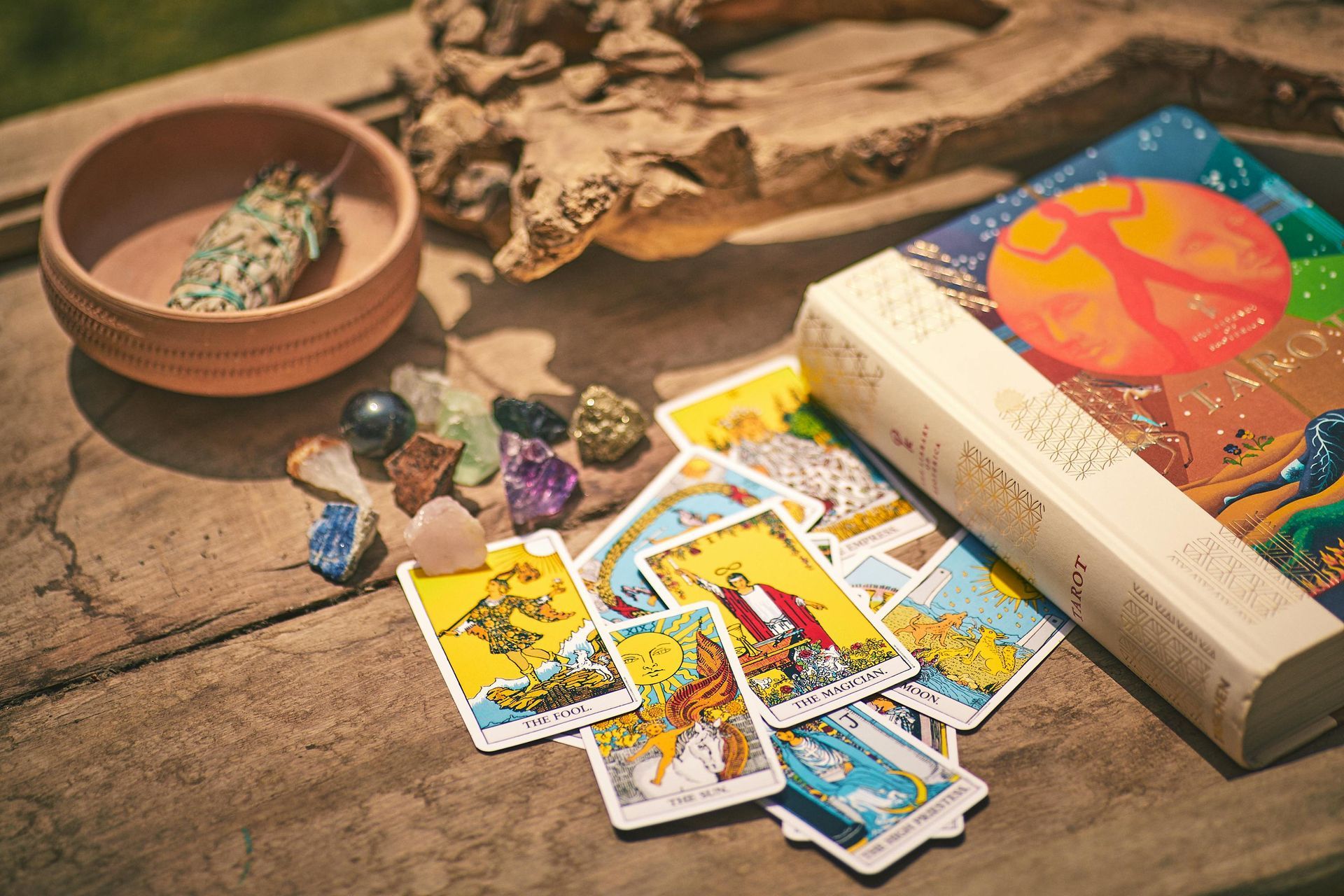
- The type of cards you’ll sell (sports cards, Pokémon, TCG, collectibles)
- Your store location
- Your target customers
- Your startup funding needs
- Your long-term goals
Think of it as the one-page version of your business.
If someone reads only this section, they should still understand what your shop is about.
Step 2: Describe Your Card Shop Concept
Next, explain your business idea in more detail.
This section should answer a simple question:
What makes your card shop special?
Include things like:
- Types of products you’ll sell
- Whether you specialize in sports cards, Pokémon, or multiple TCGs
- Whether you will sell graded cards or rare singles
- If you’ll host events or tournaments
- Whether you’ll sell online as well as in-store
This section is where you explain your vision for the shop.
For example, some stores focus heavily on competitive play events, while others focus on collectibles and rare cards.
Step 3: Conduct Market Research
Market research shows that you understand the hobby and your customers.
Investors and lenders want to know that there is real demand for your card shop.
Your market research should cover:
Your Target Customers
Examples include:
- Sports card collectors
- Pokémon and TCG players
- Casual buyers
- Gift shoppers
Your Competitors
Research other card shops in your area.
Ask questions like:
- What products do they sell?
- What events do they host?
- What do customers like about them?
- Where are the gaps?
Understanding your market and competition is critical to building a successful retail business.
Step 4: Outline Your Products and Services
Next, explain exactly what your shop will sell.
Most card shops offer a mix of products.
Common categories include:
- Sports card hobby boxes
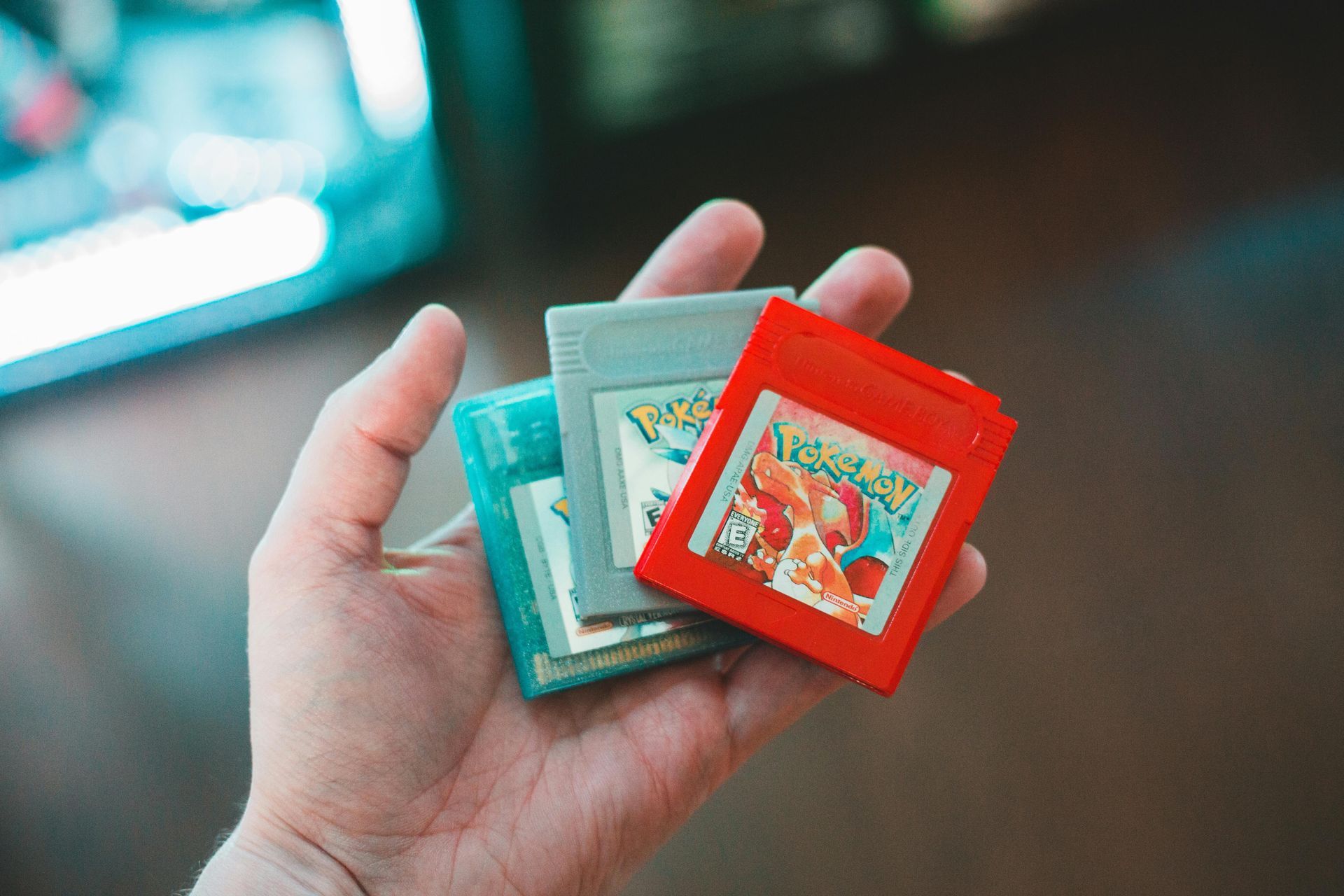
- Pokémon booster packs
- Magic: The Gathering products
- Yu-Gi-Oh cards
- Graded cards
- Individual singles
- Card supplies like sleeves and top loaders
You should also mention services such as:
- Buying collections
- Trade nights
- Card grading submissions
- Tournaments or league play
Clearly explaining your products helps investors understand how your store will generate revenue.
Step 5: Create Your Marketing Plan
Your marketing strategy explains how customers will discover your card shop.
Even the best card shop will struggle if people don’t know it exists.
Your marketing plan may include:
- Social media promotion
- Local hobby group partnerships
- Grand opening events
- Weekly tournaments
- Email newsletters
- Online marketplaces
Many successful shops grow quickly by building a strong online presence and posting pack openings, new inventory, and big pulls.
The goal is to create excitement around your store.
Step 6: Plan Your Store Operations
This section explains how your shop will run day to day.
Important things to include:
- Store location
- Opening hours
- Staffing plan
- Distributor relationships
- Inventory management
- Event schedule
You should also mention suppliers and how you will obtain your products.
The operations plan explains the practical side of running the store and how the team will manage daily activities.
Step 7: Build Your Financial Plan
The financial section is one of the most important parts of your business plan.
This section turns your idea into numbers.
Include:
- Startup costs
- Monthly operating expenses
- Revenue projections
- Break-even analysis
- Cash flow projections
Many card shop startups require funding for:
- inventory
- store setup
- display cases
- security systems
- marketing
A realistic financial plan shows lenders that your business can be profitable.
Step 8: Add Supporting Documents
The final section of your business plan is the appendix.
This section includes extra documents that support your plan.
Examples include:
- Market research data
- Resumes of the management team
- Distributor agreements
- Lease information
- licenses and permits
These documents add credibility to your plan.
Common Mistakes When Writing a Card Shop Business Plan
Many new entrepreneurs make avoidable mistakes when writing their first business plan.
Watch out for these:
- Overestimating revenue
- Underestimating inventory costs
- Ignoring competitors
- Skipping market research
- Not planning for community events
A good business plan should be realistic and detailed, not overly optimistic.
FAQ: Card Shop Business Plan
What is a card shop business plan?
A card shop business plan is a document that outlines how your trading card store will operate, attract customers, and generate revenue.
Why do I need a business plan for a card shop?
A business plan helps guide your strategy, estimate startup costs, and secure funding from lenders or investors.
How long should a card shop business plan be?
Most retail business plans are 10–20 pages, depending on how detailed your financial and market analysis is.
Can I open a card shop without a business plan?
Technically yes, but it’s risky. A clear plan helps you avoid mistakes and improves your chances of long-term success.
What’s Next?
If you're serious about opening a card shop, writing your business plan is just the beginning.
The next step is making sure you have the capital and buying power to stock inventory, secure distributor allocations, and build a store collectors want to visit.
That’s where our lead service comes in.
We connect card shop owners and collectible businesses with funding solutions designed specifically for hobby retail.
If you're planning your shop or looking to grow an existing one, the next step is connecting with a representative to explore your options and see what funding opportunities may be available.
The right strategy today could help turn your card shop idea into a thriving business tomorrow.