
Best Locations to Open a Sports Card or Collectibles Store
Summary
Choosing the right location is one of the most important decisions when opening a card shop. The best location for a sports card store isn’t always the most expensive or busiest area. Instead, successful shops focus on locations where collectors gather, communities can grow, and repeat customers are easy to build.
In this guide, you’ll learn how to choose the best location for a sports card or collectibles store, including what areas work best, what to avoid, and how location impacts your long-term success.
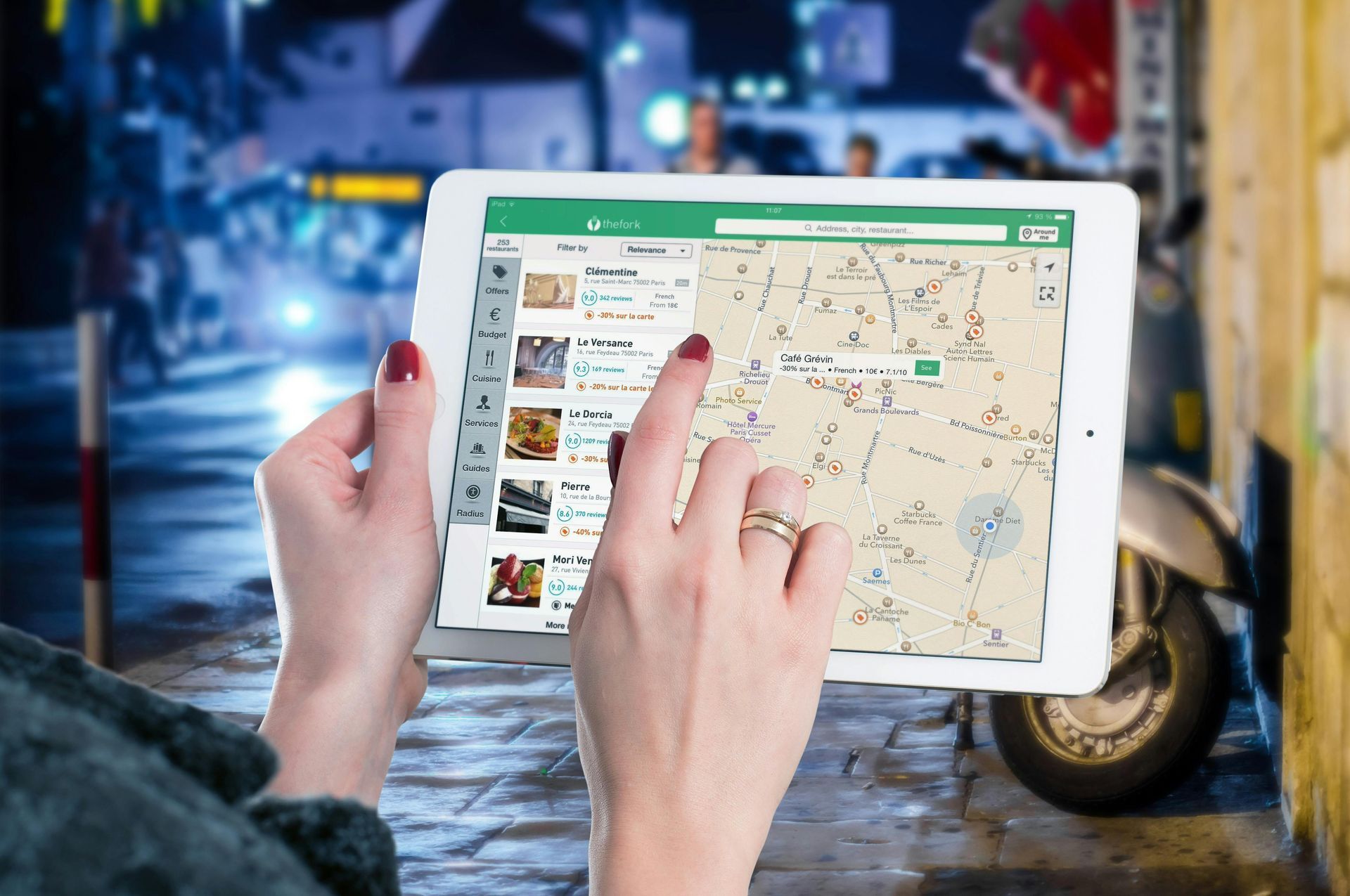
How to Choose the Right Spot to Attract Collectors, Build Community, and Grow Your Card Shop
If you're planning to open a shop, choosing the best location for a sports card store can make the difference between a store that struggles and one that becomes a local hobby hub.
You might think the best location is simply a busy shopping area. But the truth is, card shops succeed because of community, accessibility, and the right type of foot traffic.
Collectors want a place where they can trade, open packs, attend events, and meet other fans.
The right location helps make that happen.
Let’s break down the best places to open a sports card or collectibles store.
Why Location Matters for Card Shops
A sports card store is different from many other retail businesses.
Customers don’t just walk in, buy something, and leave.
They often stay.
They trade cards, talk about players, open packs together, and attend tournaments.
Because of this, your location should support community activity, not just casual shopping.
The best locations usually have:
- Easy parking
- A safe, welcoming environment
- Room for events or trading tables
- Access to nearby hobby communities
When collectors feel comfortable hanging out in your store, they keep coming back.
And repeat customers are the backbone of any successful card shop.
Shopping Centers and Retail Plazas
One of the most common locations for a sports card shop is a shopping plaza or retail center.
These locations offer steady foot traffic and easy visibility.
Benefits include:
- Built-in customer traffic
- Shared parking
- Nearby complementary stores
- Strong retail infrastructure
Shopping centers work especially well when your neighbors include:
- Gaming stores
- comic book shops
- toy stores
- sports merchandise stores
These types of businesses attract the same type of customers who love collectibles.
Near Schools and Colleges
Another strong location for a collectibles store is near schools, colleges, or universities.
Students are a major part of the trading card market.
Younger collectors often buy:
- Pokémon cards
- booster packs
- trading card accessories
College students and young adults also participate heavily in games like:
- Magic: The Gathering
- Yu-Gi-Oh
- Pokémon TCG
A store near a school or college can benefit from daily foot traffic and an active player community.
Hosting weekly tournaments or trading nights becomes much easier in these areas.
Near Sports Stadiums or Entertainment Areas
If your store focuses on sports cards, being near sports venues or entertainment districts can work extremely well.
Collectors in these areas are often passionate sports fans.
Popular locations include areas near:
- Baseball stadiums
- Basketball arenas
- sports bars
- entertainment districts
Customers visiting these areas are already thinking about sports, which makes sports cards a natural fit.
Stores in these locations can also benefit from game-day traffic.
Hobby and Gaming Districts
Some cities develop informal hobby districts where similar stores cluster together.
While it may sound risky to open near competitors, this can actually work in your favor.
Collectors often visit multiple hobby stores in a single trip.
Being located near:
- comic book stores
- board game shops
- tabletop gaming stores
can turn the area into a destination for hobby enthusiasts.
When collectors know your area has multiple hobby stores, they’re more likely to visit regularly.
Suburban Neighborhood Retail Areas
Not every successful card shop is in a busy city center.
Many thrive in suburban shopping areas.
Suburban locations often offer:
- Lower rent
- Easier parking
- Family-friendly environments
- loyal local customers
Families and younger collectors are common customers for Pokémon and trading card games.
Suburban locations also make it easier to host community events without heavy city restrictions.
Locations to Be Careful With
Not every retail location works well for a collectibles store.
Here are a few areas that can be challenging.
High-Rent Luxury Districts
These areas often have extremely high rent.
While the foot traffic may be strong, customers may not be looking for hobby products.
Isolated Locations
If your shop is difficult to find or far from other retail stores, attracting new customers becomes harder.
Areas Without Hobby Communities
Some locations simply don’t have a strong collector base.
Before signing a lease, it’s smart to research local hobby groups and trading card communities.
How to Research the Best Location
Before committing to a location, spend time researching the area.
Helpful strategies include:
- Visiting local card shows
- Joining local collector groups online
- Talking with hobby distributors
- Visiting competing stores
- Observing foot traffic at different times of day
You can learn a lot by simply talking to collectors.
Many successful shop owners choose locations based on where the community already exists.
Think About Space for Events
A good location isn’t just about selling cards.
It’s also about building a community.
Successful sports card and collectibles stores often host:
- trade nights
- tournaments
- pack opening events
- live box breaks
Because of this, having enough space for tables and events is extremely valuable.
Even a small event area can dramatically increase customer loyalty.
FAQ: Best Location for a Sports Card Store
What is the best location for a sports card store?
The best location for a sports card store is typically in shopping plazas, hobby districts, or suburban retail areas where collectors and hobby communities already exist.
Should a card shop be in a busy shopping center?
Yes. Busy retail areas can help bring new customers into your store while still allowing regular collectors to visit easily.
Is it bad to open near another card shop?
Not necessarily. Being near other hobby stores can create a destination area for collectors.
Do card shops need large spaces?
Not always, but having enough space for events, trading tables, and inventory displays can significantly improve customer experience.
What’s Next?
Once you’ve found the best location for a sports card store, the next challenge is making sure your shop has enough buying power to stock the right inventory and attract collectors.
From distributor orders to buying rare collections, having access to capital can make a huge difference when launching a new card shop.
That’s where our lead service helps.
We connect card shop owners and collectible businesses with funding solutions designed to help them grow, stock inventory, and build strong communities around their stores.
If you’re planning your store or preparing to expand, the next step is speaking with a representative to explore the options available to you.
The right funding strategy can help you open stronger, secure better inventory, and turn your shop into the local hub collectors love.