How to Get Working Capital for a Collectibles Store Without Selling Inventory
Summary
Most collectibles store owners assume selling inventory is the only way to unlock cash. But in reality, strategic operators are using structured capital solutions to access working capital while keeping their most valuable assets. This guide explains how to get funding without selling inventory, why leverage makes sense for growth, and which options are most capital-efficient.
The Strategic Power of Card Backed Lending for Growth-Focused Operators
Here’s a hard truth most serious collectors eventually face:
Selling inventory is often the slowest way to scale.
It feels logical at first. You need capital, so you liquidate assets. But over time, you start noticing a pattern:
Every time you sell to raise cash, you weaken your future position.
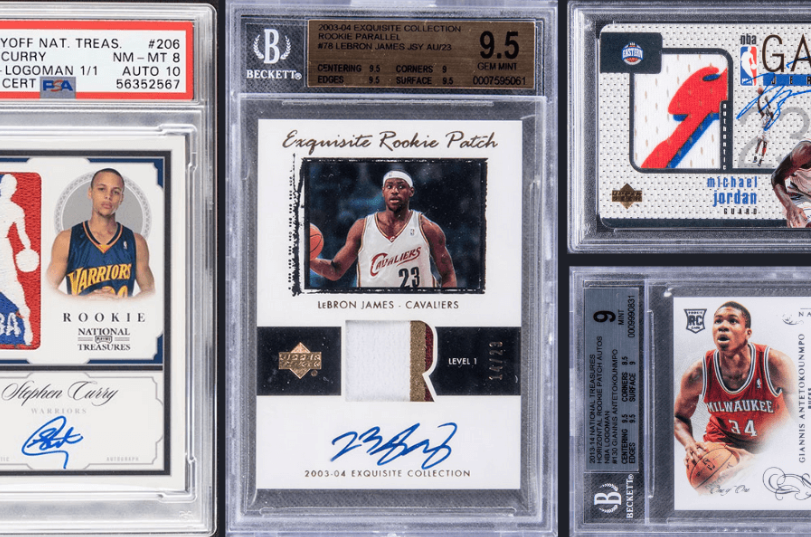
That’s why more established operators are turning to card backed lending to access working capital without sacrificing ownership.
Because once you understand capital efficiency, you realize:
The goal isn’t just generating cash.
It’s maintaining momentum.
Why You’re Searching for This Right Now
If you’re looking into funding options, you’re likely not in trouble.
You’re growing.
Most established collectibles store owners hit a plateau at some point:
Revenue is strong.
Demand is consistent.
Inventory is valuable.
Yet growth slows anyway.
Why?
Because capital becomes trapped inside your inventory.
This creates a frustrating tension:
- You see major buying opportunities
- Competitors move faster on deals
- Collections slip away due to liquidity timing
- Inventory cycles slow down
Being asset-rich but cash-constrained is a normal growth stage.
It doesn’t mean you’re stuck.
It means you’re ready to operate at a higher level.
Why Selling Inventory Is Often the Wrong Move
Liquidating inventory solves short-term cash needs.
But strategically, it comes with hidden costs.
The Real Opportunity Cost
When you sell to raise capital, you lose:
- Future price appreciation
- Long-term portfolio strength
- Market timing advantages
- Inventory consistency
- Leverage potential
In collectibles markets, scarcity and timing matter.
That makes selling your strongest assets one of the most expensive ways to generate liquidity.
Smart operators start asking a better question:
How can I access capital while keeping ownership?
What Is Card Backed Lending?
Card backed lending is a funding solution that allows collectibles store owners to borrow money using their inventory as collateral.
Instead of selling assets, you leverage them.
You retain ownership while unlocking working capital.
How It Works
The process typically involves:
- Evaluating inventory value
- Verifying business revenue and operations
- Structuring a funding agreement
- Accessing capital quickly
This model is becoming increasingly popular in collectibles financing because it aligns perfectly with how the industry functions.
Why Established Operators Use Leverage
Many industries rely on leverage to scale.
Real estate. Retail. Manufacturing.
The collectibles space is no different.
Using funding strategically allows you to:
- Increase purchasing power
- Accelerate deal flow
- Expand inventory turnover
- Capture undervalued collections
This is why more professionals now choose to borrow against collectibles rather than selling them.
It’s not about debt.
It’s about capital efficiency.
The Most Effective Working Capital Options for Collectibles Stores
Not all funding options provide the same strategic value.
Here’s how experienced operators compare them.
1. Card Backed Lending (Highest Capital Efficiency)
This option is specifically designed for collectible businesses.
Why It Stands Out
- No liquidation required
- Maintains asset ownership
- Faster approval timelines
- Scales with inventory value
It works best for stores holding:
- Graded cards
- Sealed product
- High-demand collectibles
- Consistent monthly revenue
For growth-focused operators, this often provides the strongest balance between liquidity and long-term wealth preservation.
2. Inventory Financing
Inventory financing focuses more on business cash flow rather than collectible value.
Ideal For:
- Shops scaling inventory turnover
- Bulk purchasing cycles
- Managing cash flow timing gaps
It’s useful for operational expansion, but may not capture the full value of high-end assets.
3. Revenue-Based Funding
This option provides capital based on monthly sales performance.
Repayment adjusts with revenue fluctuations.
Advantages:
- Flexible payment structure
- No asset collateral required
- Faster approvals
However, overall costs can be higher compared to asset-backed solutions.
4. Traditional Business Loans
Conventional lenders can provide capital but often struggle to understand collectible markets.
Common Challenges
- Long approval processes
- Strict credit requirements
- Limited recognition of asset value
- Less flexibility for niche businesses
These loans work best for highly established companies with extensive financial history.
When Borrowing Makes Strategic Sense
Leverage works best when used intentionally.
Smart operators typically access funding to:
- Secure undervalued collections quickly
- Expand grading pipelines
- Increase purchasing speed
- Capture short market windows
- Strengthen inventory diversity
The goal isn’t borrowing for survival.
It’s borrowing to accelerate growth.
The Capital Discipline Advantage
Accessing funding isn’t a weakness.
It’s a sign of operational maturity.
The most successful collectibles businesses understand:
- Cash flow timing matters
- Opportunity cost is real
- Inventory cycles require speed
- Strategic leverage creates momentum
Those who operate purely on available cash often scale slower than those who use structured capital responsibly.
FAQ: Sports Card Loans
What are sports card loans?
Sports card loans allow collectors and store owners to borrow capital using card inventory as collateral while retaining ownership.
Who qualifies for sports card loans?
Established operators with valuable inventory, verified revenue, and legitimate business operations typically qualify.
Are sports card loans risky?
When structured responsibly, they are designed as growth tools, not emergency funding solutions.
How fast can funding be approved?
Modern collectible financing platforms can often approve funding significantly faster than traditional lenders.
Do I lose ownership of my inventory?
No. Ownership remains with you while the assets serve as collateral.
Internal Linking Opportunities
This article naturally connects to content about:
- Inventory financing strategies
- Scaling a collectibles business
- Borrowing against collectibles
- Sports card lending insights
- Managing cash flow for resellers
What’s Next
If you’re exploring working capital options, you’re likely not trying to solve a crisis.
You’re trying to remove a growth bottleneck.
You’ve reached the stage where demand exists, inventory is strong, but capital timing limits how fast you can scale.
This is where disciplined operators make a strategic shift.
Instead of selling assets and slowing future growth, they explore structured funding solutions designed specifically for the collectibles market.
Vault Netwrk exists to support this next level of operation.
It’s a platform built for serious collectors and resellers who understand leverage, run legitimate businesses, and want to grow without sacrificing long-term holdings.
If increasing purchasing power, accelerating deal flow, and unlocking capital without liquidation aligns with your goals, then exploring funding options is simply part of running a scalable business.
Completing a funding inquiry isn’t a commitment.
It’s due diligence for operators ready to move beyond cash-only limitations.