
How to Finance a Card Shop Expansion or Second Location
Summary
Expanding a card shop or opening a second location is exciting — but it creates a major challenge most operators face: capital. Many shop owners sit on valuable inventory yet feel stuck because selling their best cards slows long-term growth. This guide explains how collectibles financing works, the smartest funding options available, and how strategic leverage helps you scale faster while keeping ownership of your assets.
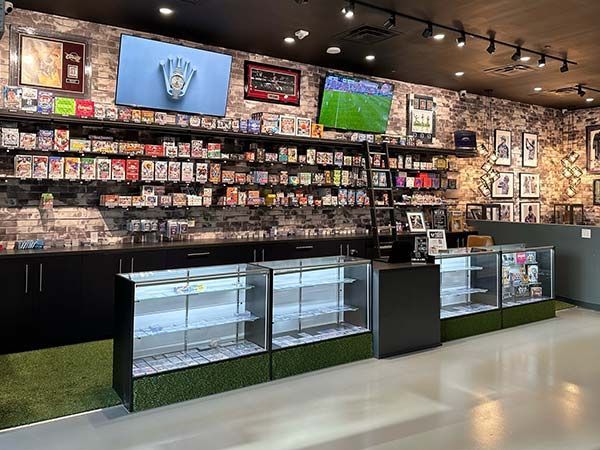
The Smart Way to Scale Your Store Without Selling Valuable Inventory
Here’s a hard truth most card shop owners eventually learn:
Growth rarely stops because of demand.
It stops because of cash flow timing.
You may have six figures sitting in graded slabs, sealed cases, or long-term holds — yet still feel unable to move fast enough when a new location opportunity appears.
That’s where collectibles financing becomes a strategic growth tool.
Instead of selling inventory to fund expansion, smart operators use leverage to unlock capital while maintaining ownership of appreciating assets.
And in today’s market, this approach is becoming the standard for serious shop owners looking to scale.
Why Expansion Creates a Capital Bottleneck
Opening a second location or upgrading to a larger storefront requires significant upfront investment.
Typical costs include:
- Lease deposits and build-out
- Display cases and security systems
- Inventory expansion
- Staffing costs
- Marketing and launch expenses
Even profitable shops generating $20K–$100K monthly revenue often hit a wall here.
Not because they lack value.
But because their capital is locked inside inventory.
This creates a frustrating position:
You’re asset rich, but cash constrained.
And selling your best inventory to fund growth can actually hurt long-term profitability.
Why Selling Inventory Is Often the Worst Growth Strategy
Most operators instinctively think:
“I’ll just sell some cards to raise capital.”
But this approach comes with hidden costs.
Opportunity Cost
When you liquidate inventory, you lose:
- Future appreciation potential
- High-margin resale opportunities
- Strong anchor pieces that drive store credibility
Reduced Buying Power
Selling inventory shrinks your ability to:
- Secure bulk deals
- Buy collections quickly
- Maintain consistent stock levels
Slower Growth Cycles
Cash-only expansion forces you to grow in small steps instead of strategic leaps.
This is why experienced operators eventually realize:
Selling assets to fund growth often creates long-term limitations.
What Is Collectibles Financing?
Collectibles financing allows card shop owners to borrow capital using inventory as leverage instead of liquidating it.
In simple terms:
You unlock working capital while keeping ownership of your cards.
This creates immediate liquidity without disrupting long-term strategy.
How It Works
Most financing structures involve:
- Inventory valuation
- Revenue verification
- Loan amount based on asset value
- Flexible repayment structures
This allows operators to maintain momentum without sacrificing long-term holdings.
The Best Funding Options for Card Shop Expansion
Not all funding options are equal.
Some slow growth.
Others accelerate it.
Here are the most strategic choices for serious operators.
1. Collectibles-Backed Loans
This is the most capital-efficient option for expansion.
Why it works:
- Uses existing inventory as leverage
- Preserves asset ownership
- Provides fast access to large capital pools
Ideal for:
- Opening second locations
- Major inventory purchases
- Store renovations
2. Revenue-Based Business Financing
This option is based on cash flow rather than assets.
Best for:
- Shops with strong monthly revenue
- Short-term expansion needs
- Marketing or staffing investments
It offers speed but typically provides smaller funding amounts than asset-backed options.
3. Inventory Financing Lines
These provide revolving capital tied to inventory cycles.
Useful for:
- Scaling purchasing power
- Managing seasonal demand spikes
- Supporting multi-location operations
4. Traditional Business Loans
Banks remain the slowest and most restrictive option.
Challenges include:
- Lengthy approval timelines
- Limited understanding of collectibles markets
- Strict collateral requirements
For most growth-focused card shops, traditional financing is rarely the best fit.
How Leverage Accelerates Expansion Growth
Successful businesses across every industry scale using structured capital.
The collectibles space is no different.
Leverage creates advantages that cash-only operators cannot match.
Increased Purchasing Speed
Funding allows you to:
- Buy large collections immediately
- Secure high-margin deals
- Maintain inventory consistency
Faster Market Positioning
Expansion funding helps you:
- Launch locations sooner
- Establish local dominance
- Capture market share before competitors
Stronger Inventory Depth
Maintaining ownership of long-term holds strengthens your brand credibility and customer trust.
Who Qualifies for Collectibles Financing?
Most lenders focus on operators with proven stability.
Typical qualifications include:
- Registered business entity
- Consistent monthly revenue
- Verified bank statements
- Valuable inventory holdings
- Clear growth strategy
This means funding is designed for established operators — not beginners.
The Psychology Behind Smart Expansion Financing
Many shop owners hesitate to use leverage because they associate borrowing with risk.
But in reality, disciplined leverage reduces risk.
Here’s why.
Operating purely on cash flow limits growth speed.
Limited growth increases vulnerability to competitors.
Strategic financing creates momentum, allowing you to expand faster and strengthen market position.
When used responsibly, leverage becomes a stabilizing force — not a liability.
When Is the Right Time to Seek Expansion Funding?
You’re likely ready if:
- Demand exceeds your current space capacity
- Inventory turnover is consistently strong
- Revenue growth has plateaued due to space limitations
- Competitors are expanding faster
Waiting too long can actually increase expansion costs and reduce market opportunity.
FAQ: Sports Card Loans and Expansion Financing
Are sports card loans safe for business growth?
Yes, when used responsibly, sports card loans allow operators to access capital without selling appreciating inventory, helping them scale faster.
How much funding can card shops typically access?
Funding depends on inventory value, revenue history, and overall financial stability.
Will financing impact inventory ownership?
Most structures allow you to retain ownership while using assets as leverage.
Is financing better than selling inventory?
In most cases, yes. Financing preserves long-term value while enabling immediate growth.
Internal Linking Opportunities
Consider linking to related guides such as:
- How to qualify for collectibles financing
- Working capital strategies for card shops
- Inventory financing for resellers
These support SEO structure and improve user navigation.
What’s Next
If you’re researching expansion financing, you’re likely not looking for a rescue.
You’re looking for acceleration.
At some point, nearly every successful card shop reaches a stage where demand continues growing — but cash flow timing slows progress.
That’s when structured capital becomes the logical next step.
Exploring financing options isn’t a commitment.
It’s due diligence.
Operators who scale the fastest usually aren’t the ones with the most cash — they’re the ones who understand how to use leverage strategically.
If you’re serious about expanding your shop, opening a second location, or increasing purchasing power, the next step is simply learning what capital options are available for your specific situation.