
How to Fund a New Sports Card Shop Without Using a Bank
Summary
Most new sports card shop owners don’t fail because demand isn’t there. They stall because all their cash gets trapped in inventory. This guide breaks down how to fund a new sports card shop without using a bank, why leverage can outperform selling inventory, and how sports card loans and collectibles financing help operators scale faster while keeping ownership.
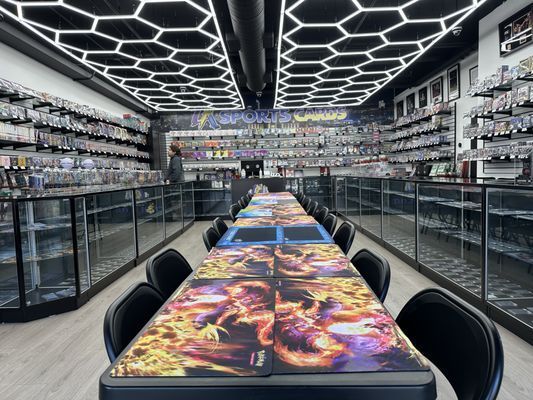
A strategic guide to sports card loans, leverage, and smart capital moves
Here’s the uncomfortable truth most collectors don’t like to admit:
Selling cards to fund growth is usually the least efficient move.
You worked years to build inventory. You understand cycles. You know which cards move fast and which ones anchor long-term value. But when it’s time to open a shop, expand inventory, or lock up a major collection, cash suddenly becomes the bottleneck.
That’s why more serious operators are searching for sports card loans instead of draining personal savings or liquidating assets they’ll never get back.
They’re not broke.
They’re
asset rich and cash constrained.
And that’s a growth stage — not a failure.
Why Banks Are the Wrong Starting Point
Traditional banks aren’t built for collectible businesses. Period.
They want:
- Long operating history
- Predictable revenue models
- Hard collateral they understand
- Slow, conservative growth
Your sports card shop doesn’t fit neatly into that box — especially early on.
Banks struggle to value:
- Inventory that appreciates
- Collections that move fast
- Non-traditional revenue streams
- Seasonal buying opportunities
That’s why approval rates are low, timelines are slow, and funding amounts are often too small to matter.
This is where sports card loans and alternative funding step in.
What Are Sports Card Loans (And How Do They Actually Work)?
Sports card loans are alternative business funding options designed for operators who already understand inventory, margins, and velocity.
Instead of focusing only on tax returns, lenders look at:
- Business revenue
- Inventory value
- Cash flow patterns
- Purchase cycles
- Resale velocity
In some cases, inventory or collections can support the funding structure. In others, it’s pure cash-flow-based capital designed to fuel buying power.
The goal isn’t survival.
The goal is
acceleration.
Why Borrowing Beats Selling (When Done Right)
Selling inventory feels safe. Borrowing feels risky — until you look at the math.
Selling Inventory Costs You:
- Future appreciation
- Replacement cost risk
- Lost market timing
- Reduced buying power
Strategic Funding Gives You:
- Immediate capital
- Retained asset ownership
- Faster inventory cycles
- More shots at high-margin deals
When operators use sports card loans responsibly, they increase transaction velocity without shrinking their asset base.
That’s capital efficiency.
Best Non-Bank Funding Options for New Card Shops
1. Sports Card Loans for Inventory Expansion
Ideal for:
- Buying large collections
- Front-loading opening inventory
- Scaling quickly in the first 6–12 months
These loans are structured around business performance, not personal credit perfection.
2. Collectibles Financing and Inventory Funding
This option allows operators to:
- Unlock capital from existing inventory
- Preserve ownership
- Reinvest into faster-moving cards
It’s especially powerful for shop owners sitting on graded slabs, sealed wax, or high-value singles.
3. TCG Financing for Hybrid Shops
If your shop includes Pokémon, Magic, or sealed product, TCG-focused financing supports:
- Distributor orders
- Event inventory
- Release cycles
This avoids missing drops because cash is tied up elsewhere.
4. Cash-Flow-Based Business Capital
For shops already generating revenue:
- Based on monthly deposits
- No rigid collateral requirements
- Faster approvals than banks
This option works best when paired with disciplined reinvestment strategies.
Who Qualifies for Sports Card Loans?
Contrary to myth, these options aren’t for beginners.
Most lenders look for:
- Registered business entity
- Consistent monthly revenue
- Clear buying and selling patterns
- Proven inventory knowledge
- Operators doing $20k+ per month in gross revenue
This isn’t rescue funding.
It’s
growth capital.
The Discipline Side of Leverage (This Matters)
Leverage only works if you treat it with respect.
Smart operators:
- Borrow with intention
- Reinvest into proven margins
- Avoid emotional buys
- Maintain repayment discipline
- Build stronger capital access over time
Used correctly, funding becomes a flywheel — not a trap.
Why Vault Netwrk Approaches Funding Differently
Vault Netwrk isn’t a generic lending platform.
It’s built by people who understand:
- Card cycles
- Market timing
- Liquidity differences between assets
- The psychology of collectors and resellers
Funding decisions are made with context, not checkboxes.
The goal isn’t just approval.
It’s alignment.
FAQ: Sports Card Loans
What are sports card loans best used for?
They’re best for inventory expansion, large collection purchases, shop launches, and accelerating buying cycles without selling core assets.
Are sports card loans risky?
They’re only risky when used emotionally or without a clear reinvestment plan. Used strategically, they improve capital efficiency.
Do I need perfect credit?
No. Business performance and inventory knowledge matter more than credit scores.
Can new shops qualify?
Yes — especially if the operator has existing revenue, inventory, or prior resale experience.
What’s Next
If you’re searching for funding options, you’re not looking for a bailout.
You’re looking for
momentum.
At a certain level, operating on cash alone becomes the slowest strategy in the room. Exploring structured capital isn’t aggressive — it’s professional.
The next step isn’t committing to anything.
It’s understanding what options exist for operators like you.
If you’re serious about opening or scaling a sports card shop without selling off your future, connecting with a funding specialist who understands this space is simply part of doing business at a higher level.