
Why Serious Sports Card Businesses Treat Their Hobby Like a Real Company
Summary
When you're passionate about sports cards, it's easy to fall into the mindset of a hobbyist, focusing on the thrill of collecting rather than the logistics of running a business. However, for those looking to scale their operations and turn their hobby into a sustainable venture, it’s crucial to transition into a business operator mindset.
This shift requires adopting professional practices, including proper bookkeeping, inventory tracking, entity registration, and tax preparation. Furthermore, serious sports card businesses don’t just focus on daily operations; they build relationships with lenders and funding platforms to access capital when growth opportunities arise.
In this post, we’ll explore why treating your sports card operation like a legitimate business is essential for long-term success, and how working with lenders can support your growth.
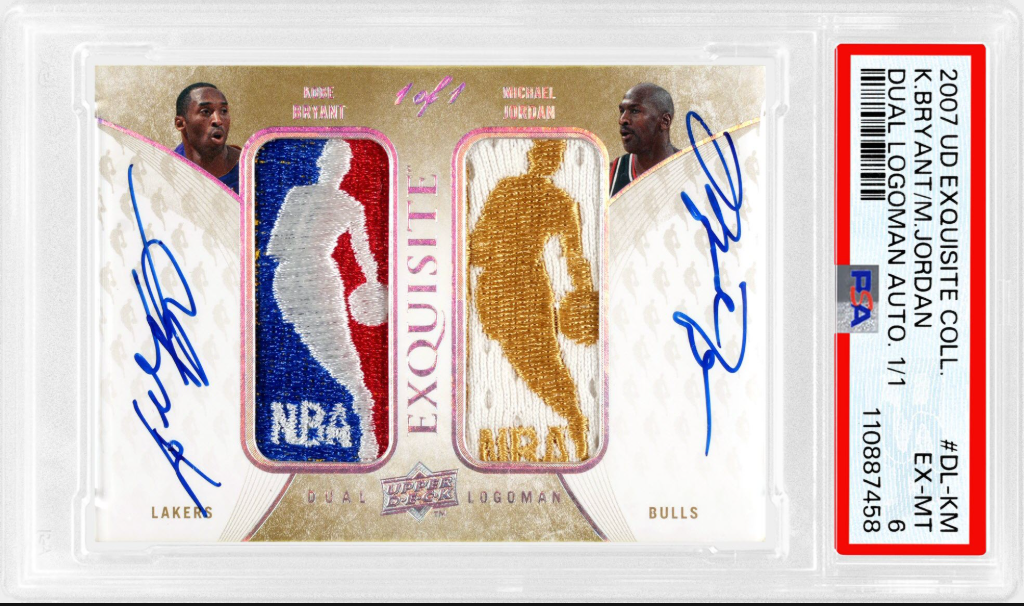
Learn why treating your sports card business like a real company can unlock growth opportunities and help you access capital through inventory financing and lending.
When you first start selling sports cards, it's often done casually, perhaps as a way to make some extra cash or fund your collection. But as you begin to sell more cards, your operation needs to evolve. The key to scaling and ensuring success is adopting a business-oriented mindset. Here's how to treat your sports card operation like a company:
1. Proper Bookkeeping and Inventory Tracking
As a business operator, understanding your cash flow and maintaining accurate financial records is essential. Tracking revenue, expenses, and inventory will help you understand profit margins and make informed decisions. This also means investing in accounting software to streamline processes like profit and loss statements, as well as tracking sales and purchases of cards.
- Software Solutions: QuickBooks, Xero, or specialized e-commerce accounting tools can help you track inventory, purchases, and sales.
- Inventory Management: Knowing the value of your inventory allows you to assess your business’s growth, plan purchases, and ensure you’re operating profitably.
2. Entity Registration
A serious sports card business isn't run under an individual’s name—it’s an established entity. Registering your business as an LLC, S Corporation, or other legal entity helps separate personal and business finances, provides tax benefits, and minimizes personal liability.
- LLC vs S Corporation: Both offer personal liability protection, but an LLC is simpler and more flexible, while an S Corporation offers tax advantages for owners who want to avoid double taxation.
- Business Name and Structure: A registered entity enhances your credibility and allows you to establish business credit.
3. Tax Preparation
Once your hobby evolves into a business, understanding tax obligations becomes crucial. Filing as a sole proprietor may be sufficient in the early stages, but as revenue grows, working with a tax professional is highly recommended. Proper tax planning will help you take advantage of deductions and minimize your tax burden.
- Deductions: Expenses like inventory purchases, shipping, grading services, marketplace fees, and even travel to card shows are deductible.
- Reinvestment: Serious businesses reinvest profits into inventory to fuel growth. A good tax strategy should plan for these reinvestments and minimize taxes.
4. Building Relationships with Lenders
To scale your sports card business, you need access to capital when growth opportunities arise. Serious business operators understand the importance of building strong relationships with lenders and funding platforms early on. Whether you need working capital to purchase high-demand cards, or you want to invest in a large collection, securing financing options ahead of time ensures you're ready when opportunities appear.
- Inventory Financing: Borrowing against your existing inventory is a way to access funds without selling your cards. This lets you maintain ownership of valuable cards while gaining capital to expand your business.
- Alternative Lending: Platforms like Kiva, Fundbox, and traditional business loans are great ways to secure financing for inventory purchases, marketing efforts, or business expansion.
- Card-Backed Lending: Some lenders will provide credit based on your sports card inventory, a unique form of asset-backed lending that may be valuable for businesses with high-value cards in their inventory.
Why Serious Operators Build Relationships with Lenders
One of the key differences between hobbyists and serious sports card businesses is the ability to access capital when needed. Whether it’s securing funding to purchase an entire collection at an auction or expanding your business to new platforms, having financial flexibility is essential. That's why serious sports card businesses build relationships with lenders.
- Access to Quick Capital: When you're in a competitive market, having access to capital at a moment's notice allows you to act on growth opportunities.
- Flexible Financing Options: With a variety of funding options—from inventory-backed loans to lines of credit—you can tailor your financing to fit your needs.
Building these relationships with lenders early can ensure that you’re ready for growth. Not only does it help you stay ahead of the competition, but it also positions you to scale without the stress of scrambling for funds at the last minute.
FAQs
What’s the first step in turning my sports card hobby into a business?
The first step is registering your business entity. Whether it’s an LLC or S Corporation, a registered entity separates your personal and business finances, providing both tax and legal benefits.
How can I track my inventory for tax purposes?
Using specialized inventory management software will help you track every card you purchase, sell, or hold. It’s essential for understanding profit margins and for tax deductions related to your inventory.
Can I borrow against my inventory?
Yes! Some lending platforms offer inventory-backed loans, allowing you to access capital without selling your high-value cards. This way, you can grow your business while holding onto valuable assets.
What’s Next?
Now that you understand the importance of treating your sports card business like a real company, it’s time to take action. The journey from hobbyist to business operator requires commitment, strategy, and the right resources.
- Learn More: Speak with financial advisors or business mentors to ensure you're on the right path.
- Get Access to Capital: Start building relationships with lenders and funding platforms to ensure you can seize opportunities when they arise.
- Take Action: It’s not just about learning; it’s about executing your plan. Start implementing bookkeeping systems, registering your entity, and working toward securing funding.
At NexPro, we understand the challenges of growing a serious sports card business, and we're here to help you scale by providing the infrastructure, funding options, and expert advice needed for success.