
Why Card Shop Owners Hit a Revenue Plateau and How Capital Unlocks Growth
Summary
Many card shop owners don’t stall because demand disappears. They stall because cash gets trapped in inventory. Strategic capital — used responsibly — unlocks faster deal flow, stronger buying power, and sustained growth without forcing you to sell long-term assets.
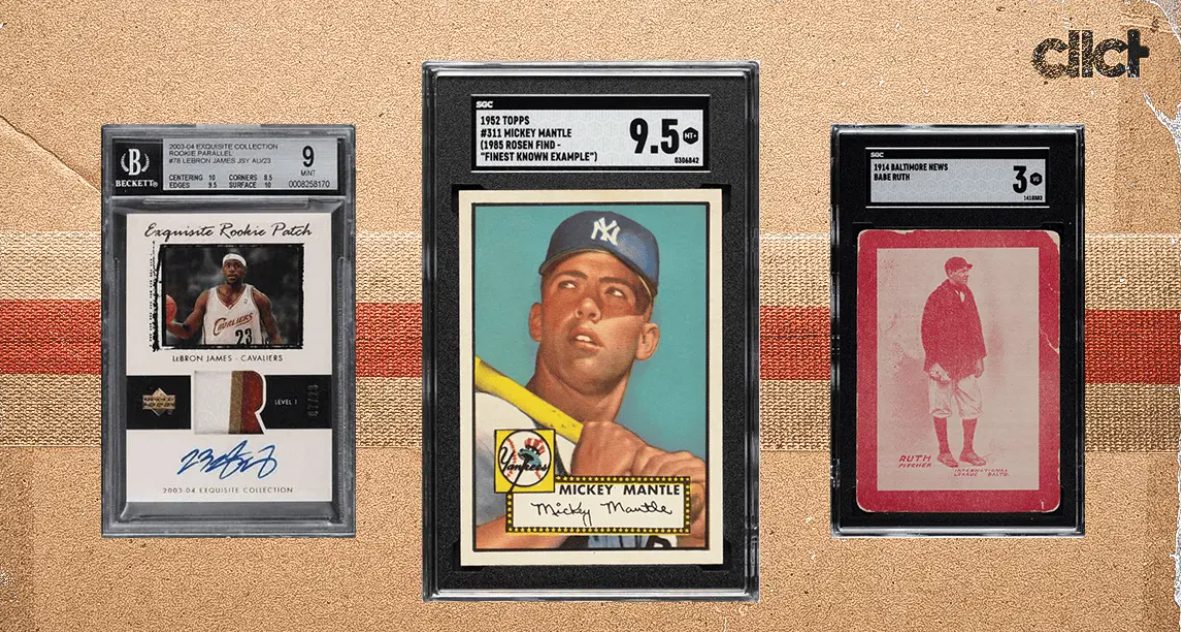
Most card shop owners think the path to scaling is simple: buy low, sell high, reinvest profits, repeat.
That works — until it doesn’t.
At a certain point, many operators hit a frustrating ceiling. Inventory value rises, sales stay consistent, but growth slows. Not because demand disappears. Not because margins shrink.
Because capital becomes locked inside the very assets meant to create wealth.
This is exactly where card backed lending becomes the strategic inflection point between plateau and expansion.
And for many experienced operators, it’s the difference between running a stable shop and building a scalable business.
The Hidden Growth Ceiling Most Card Shops Hit
If you’ve been in the hobby long enough, you’ve felt this tension.
You’re sitting on strong inventory.
You know opportunities exist.
You see deals moving quickly in the market.
But your buying power is limited by cash timing.
This plateau usually happens when:
- Monthly revenue exceeds $20K+
- Inventory value climbs into six figures
- Deals require larger upfront capital
- Selling key assets would reduce long-term upside
At this stage, the problem isn’t demand.
It’s liquidity.
And liquidity bottlenecks create opportunity cost.
Why Selling Inventory Isn’t Always the Smartest Move
The traditional solution is simple:
Sell cards to free up capital.
But this approach creates three major issues:
1. You Lose Future Appreciation
High-end inventory often gains value over time. Selling prematurely sacrifices long-term gains.
2. You Disrupt Inventory Balance
Liquidating strong assets weakens your portfolio structure and positioning.
3. You Slow Transaction Velocity
Waiting for sales cycles delays your ability to capitalize on new deals.
In other words:
Selling solves short-term cash needs but often limits long-term growth.
This is why sophisticated operators shift from liquidation thinking to leverage thinking.
What Is Card Backed Lending?
Card backed lending allows shop owners to borrow capital using collectible inventory as collateral — without selling their assets.
Instead of turning cards into cash through sales, you unlock liquidity while retaining ownership.
This approach falls under broader collectibles financing and inventory funding strategies used by established resellers and investors.
The key advantages include:
- Immediate access to working capital
- Preservation of long-term holdings
- Increased purchasing power
- Faster deal execution
- Stronger inventory cycles
At its core, this isn’t about borrowing out of necessity.
It’s about optimizing capital efficiency.
Why Established Shops Use Leverage to Scale Faster
Most industries rely on structured capital to grow.
Retailers use inventory financing.
Real estate investors use leverage.
Dealers use floor plan funding.
Card businesses are no different.
Responsible leverage allows shops to:
Increase Deal Volume
More capital means more opportunities captured.
Move Faster Than Competitors
Liquidity lets you secure inventory before others can.
Maintain Strong Inventory Positions
You don’t have to sacrifice cornerstone assets to grow.
Improve Cash Flow Stability
Funding smooths out revenue timing gaps.
When used correctly, leverage becomes a multiplier — not a risk.
The Real Reason Shops Plateau: Opportunity Cost
The biggest invisible cost in a cash-only model isn’t interest.
It’s missed deals.
Consider this common scenario:
- You have $150K in inventory
- Only $20K in available cash
- A $50K buying opportunity appears
Without leverage, you either:
- Miss the deal
- Sell premium assets quickly (often below ideal timing)
With structured capital, you can:
- Secure the opportunity immediately
- Maintain your existing portfolio
- Increase total revenue potential
Over time, this difference compounds dramatically.
Comparing Growth Strategies: Cash Only vs Leverage
Cash-Only Growth Model
Pros:
- No financing costs
- Simple operations
Cons:
- Slower scaling
- Limited buying power
- Frequent opportunity loss
- Inventory liquidation pressure
Card Backed Lending Growth Model
Pros:
- Accelerated inventory cycles
- Increased purchasing power
- Asset preservation
- Competitive advantage
Cons:
- Requires discipline
- Must manage repayment responsibly
For established operators, the strategic choice becomes clear.
The question isn’t whether leverage is risky.
The question is whether operating without it limits your growth potential.
How to Use Card Backed Lending Responsibly
Leverage works best when paired with discipline and strategy.
Successful operators follow a simple framework:
Borrow with Intention
Use capital for high-confidence inventory opportunities with clear exit timelines.
Focus on Margin Expansion
Deploy funding where profit potential exceeds financing costs.
Maintain Repayment Discipline
Strong cash flow management ensures continued access to larger capital pools.
Think in Cycles, Not Transactions
Funding should accelerate inventory turnover — not replace healthy business fundamentals.
When used this way, borrowing becomes a growth system.
Not a financial burden.
Why Capital Efficiency Matters More in 2026
The collectibles market is becoming more competitive and capital-intensive.
Deal sizes are growing.
Institutional buyers are entering.
Inventory velocity is increasing.
Operators relying only on cash will likely face:
- Slower growth
- Reduced access to premium inventory
- Competitive disadvantage
Meanwhile, shops leveraging structured capital can scale faster while maintaining asset ownership.
This shift is already happening across the industry.
Where Structured Collectibles Financing Fits In
Platforms like Vault Netwrk specialize in connecting established card businesses with lenders who understand the trading ecosystem.
Unlike traditional banks, these funding networks evaluate:
- Inventory strength
- Sales consistency
- Business legitimacy
- Growth trajectory
This creates a financing model tailored specifically for collectible operators.
Not generic small-business lending.
Internal Linking Opportunities
This article pairs well with related topics such as:
- How inventory financing works for card shops
- The difference between business credit and asset-backed lending
- Scaling a sports card business with leverage
- Building purchasing power as a TCG reseller
FAQ: Sports Card Loans
What are sports card loans?
Sports card loans allow collectors or shop owners to borrow money using card inventory as collateral while retaining ownership.
Do I need to sell my cards to qualify?
No. The purpose is to unlock liquidity without liquidation.
Are sports card loans risky?
Risk depends on usage. When deployed for profitable inventory opportunities and repaid responsibly, they function as a strategic growth tool.
Who qualifies for sports card loans?
Typically established operators with verified revenue, legitimate businesses, and strong collectible portfolios.
What’s Next
If you’re searching for capital options, you’re likely not looking for rescue funding.
You’re looking for acceleration.
You’ve built inventory.
You’ve proven demand.
You’ve created consistent revenue.
The next logical step is removing the cash bottleneck that limits your growth.
Exploring structured capital isn’t a commitment.
It’s due diligence.
For serious operators who want to scale smarter, understanding your funding options is simply part of running a business at a higher level.