
Why Traditional Banks Don’t Understand Sports Card and TCG Businesses
Summary
Sports card loans and TCG financing exist because traditional banks struggle to understand how collectible businesses actually operate. Banks view inventory volatility and fast-moving resale cycles as high risk, while alternative lenders see them as structured opportunity. This article breaks down why banks misread the sports card and TCG industry, and why specialized financing better matches real-world inventory cycles, revenue velocity, and scaling needs.
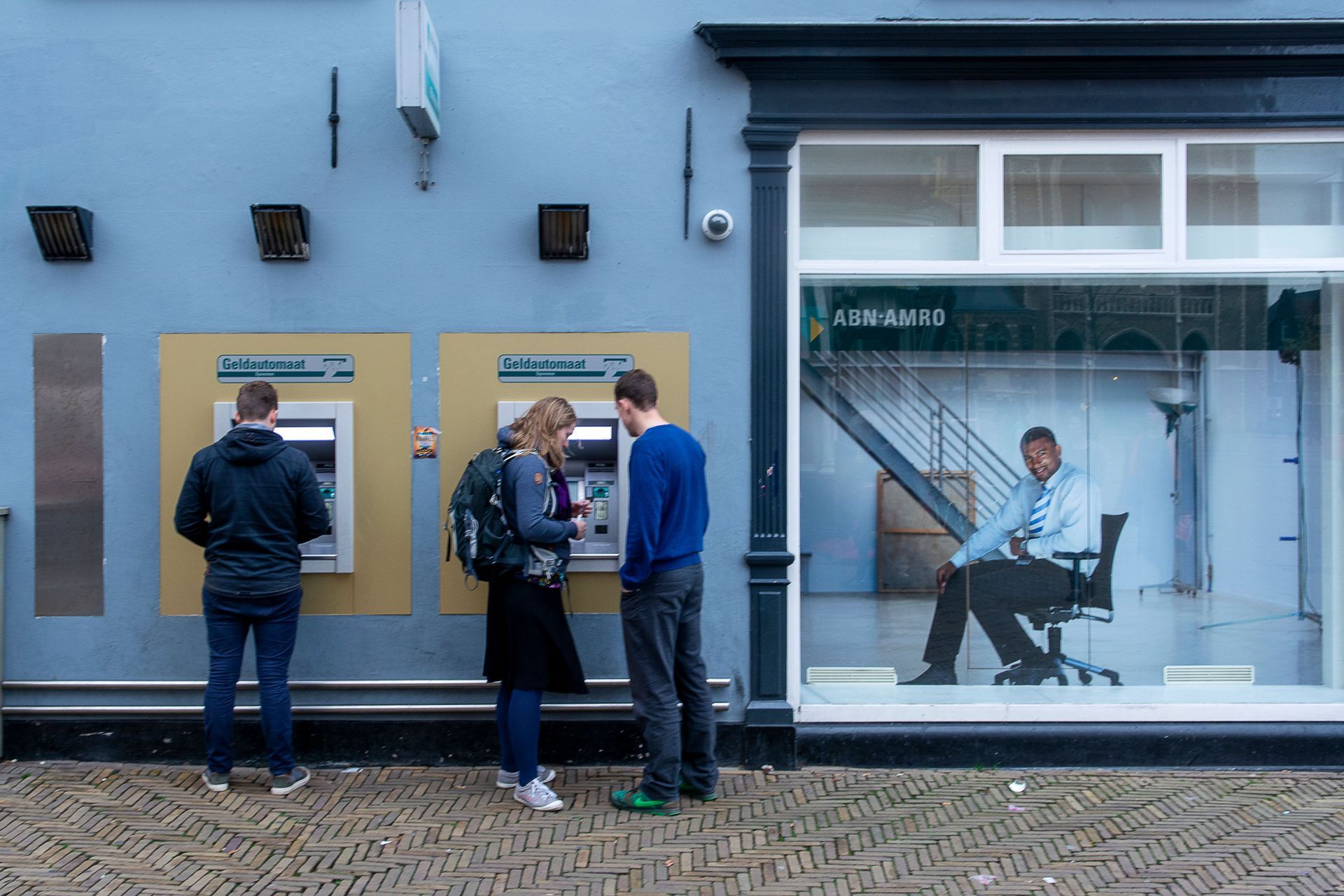
Why Traditional Banks Don’t Understand Sports Card and TCG Businesses
Most operators searching for sports card loans are not trying to fix a broken business.
They’re trying to remove a constraint.
At this stage, the business is already working. Inventory is moving. Revenue is consistent. Demand is real.
But growth feels capped not because the market isn’t there, but because traditional capital systems don’t understand how this industry moves.
That disconnect between real business performance and bank underwriting logic is where most scaling problems begin.
The Core Issue: Banks Fund Stability, Not Velocity
Traditional banks are built around predictable industries:
- Fixed retail cycles
- Salaried income structures
- Long-term collateral stability
- Slow inventory turnover models
Sports card and TCG businesses operate differently.
They are:
- Cycle-driven
- Demand-spike dependent
- Inventory-velocity based
- Market-timing sensitive
So when operators apply for financing, banks often misinterpret fast movement as instability.
But in reality, speed is the business model.
Why Banks See Collectibles as High Risk
To understand why sports card loans are rarely approved by traditional banks, you need to see their risk framework.
Banks typically view collectibles businesses as risky because:
1. Inventory Value is Perceived as Volatile
A PSA 10 card or sealed product can fluctuate in value quickly based on demand, grading trends, or market hype.
Banks prefer assets with stable, predictable depreciation curves.
2. Revenue Doesn’t Follow Fixed Patterns
Unlike retail stores with consistent monthly sales, TCG businesses often see:
- Spikes during set releases
- High-volume grading cycles
- Auction-based liquidity events
- Seasonal demand swings
To a bank, this looks inconsistent.
To an operator, this is normal cycle behavior.
3. Collateral Doesn’t Fit Standard Models
Banks are comfortable with real estate, equipment, or receivables.
They struggle with:
- Graded cards
- Raw inventory lots
- Sealed collectibles
- Marketplace-based valuations
Even though these assets are liquid, they don’t fit traditional collateral frameworks.
4. They Don’t Understand Turn Velocity
In sports cards, inventory might turn in days or weeks not months or years.
That speed is an advantage in the industry.
But in banking models, it appears unpredictable.
The Misalignment Problem
This is where most operators get stuck.
They are:
- Profitable
- Cash-flow positive
- Actively growing
But still rejected or underfunded.
Not because the business is weak.
But because the financial system evaluating it wasn’t designed for it.
That gap is exactly why sports card loans and alternative financing exist.
How Alternative Lenders See the Same Business Differently
Unlike banks, alternative lenders evaluate the actual behavior of the business.
Instead of asking “Is this stable?” they ask:
- Does it generate consistent revenue?
- Does inventory move quickly?
- Is cash flow predictable over cycles?
- Can capital be deployed and returned efficiently?
This creates a completely different outcome.
What banks call “risk,” alternative lenders often see as:
- High velocity
- Strong demand cycles
- Repeatable transaction flow
- Scalable inventory turnover
In other words: opportunity.
Why Inventory-Based Businesses Need a Different Type of Capital
Sports card and TCG businesses don’t scale like traditional retail.
They scale through cycles:
- Acquire inventory
- Grade or hold strategically
- Sell into demand spikes
- Reinvest quickly
The limiting factor is rarely demand.
It is capital timing.
That is where structured sports card loans become a strategic tool—not a last resort.
They allow operators to:
- Enter deals faster
- Buy higher-quality inventory
- Avoid liquidation pressure
- Maintain consistent buying cycles
The Real Difference: Banks Fund Safety, Alternative Lenders Fund Speed
This is the simplest way to understand the gap.
Traditional Banks:
- Prioritize low risk
- Require predictable revenue models
- Avoid volatility
- Move slowly
Alternative Lenders:
- Prioritize cash flow movement
- Understand cyclical revenue
- Accept structured risk
- Move quickly
For sports card businesses, speed is not optional it is competitive advantage.
Why Smart Operators Still Pursue Funding Even When Profitable
At a certain level, funding is not about necessity.
It’s about expansion control.
Serious operators use sports card loans and inventory financing to:
- Scale purchasing power without waiting on sales cycles
- Secure bulk deals before competitors
- Maintain liquidity during grading delays
- Increase transaction frequency
- Build predictable growth systems
The goal is not borrowing more.
It is rotating capital faster.
Building Long Term Access Through Responsible Capital Use
One of the most overlooked advantages of working with structured financing is relationship building.
When operators:
- Borrow intentionally
- Deploy capital into real inventory
- Repay consistently
- Repeat cycles responsibly
They build something banks don’t offer early on:
Credibility with capital systems.
That credibility leads to:
- Higher funding limits
- Better capital terms
- Faster approvals
- Access to larger pools of financing
This is how serious businesses move from constrained to scalable.
Not through one approval.
But through repeated performance.
Are You Operating Like a Hobbyist or a Capital-Backed Business?
At some point, every operator hits a decision point.
Hobby thinking says:
- Avoid leverage
- Only use available cash
- Wait for perfect conditions
Operator thinking says:
- Use capital strategically
- Focus on opportunity cost
- Scale inventory cycles intentionally
Because in this market:
Opportunities don’t wait for cash flow timing.
They reward speed.
Capital Efficiency Is the Real Advantage
Revenue is not the ceiling.
Capital efficiency is.
Ask:
- How fast does inventory turn into cash?
- How quickly can I redeploy that cash?
- How many deals am I missing due to liquidity timing?
When structured correctly, sports card loans solve all three.
They compress time between opportunity and execution.
Internal Strategy Insight
Operators who scale successfully often combine funding with:
- Bulk acquisition networks
- Fast-turn listing systems
- Grading pipelines
- Auction-based buying strategies
- Reinvestment loops across cycles
Funding doesn’t replace strategy.
It amplifies execution speed.
FAQ: Sports Card Loans and TCG Financing
What are sports card loans used for?
They are used to fund inventory purchases, auctions, grading submissions, and scaling collectible businesses.
Why don’t traditional banks fund TCG businesses?
Because they rely on fixed asset models and predictable revenue structures, which don’t match collectible market cycles.
Are alternative lenders easier to qualify with?
They typically evaluate business performance and inventory movement rather than strict traditional collateral requirements.
Can small businesses qualify?
Yes. Many consistent operators qualify based on revenue and transaction activity, not size alone.
What’s Next
If your business is already generating consistent revenue, the challenge is rarely demand.
It is capital alignment.
Traditional banks weren’t built for fast-moving collectible markets. That gap is exactly why alternative financing exists.
For operators focused on scaling inventory, increasing buying power, and improving cycle speed, exploring structured funding is not a last step it is a strategic one.
If you are serious about growing beyond cash-only limitations, the next move is simple: evaluate how capital access can match your inventory velocity.
Not as a pitch.
As part of building a scalable business system.