What Are Grail Sports Cards and Pokémon Cards and Why They Matter
Summary
Grail sports cards and Pokémon cards represent the highest tier of collectibles defined by rarity, demand, and long-term value. These are not short-term flips. They are cornerstone assets that serious collectors and operators build around. The challenge is not understanding their importance. It is acquiring them at the right time without disrupting cash flow. That is where borrow against collectibles strategies become a key advantage.
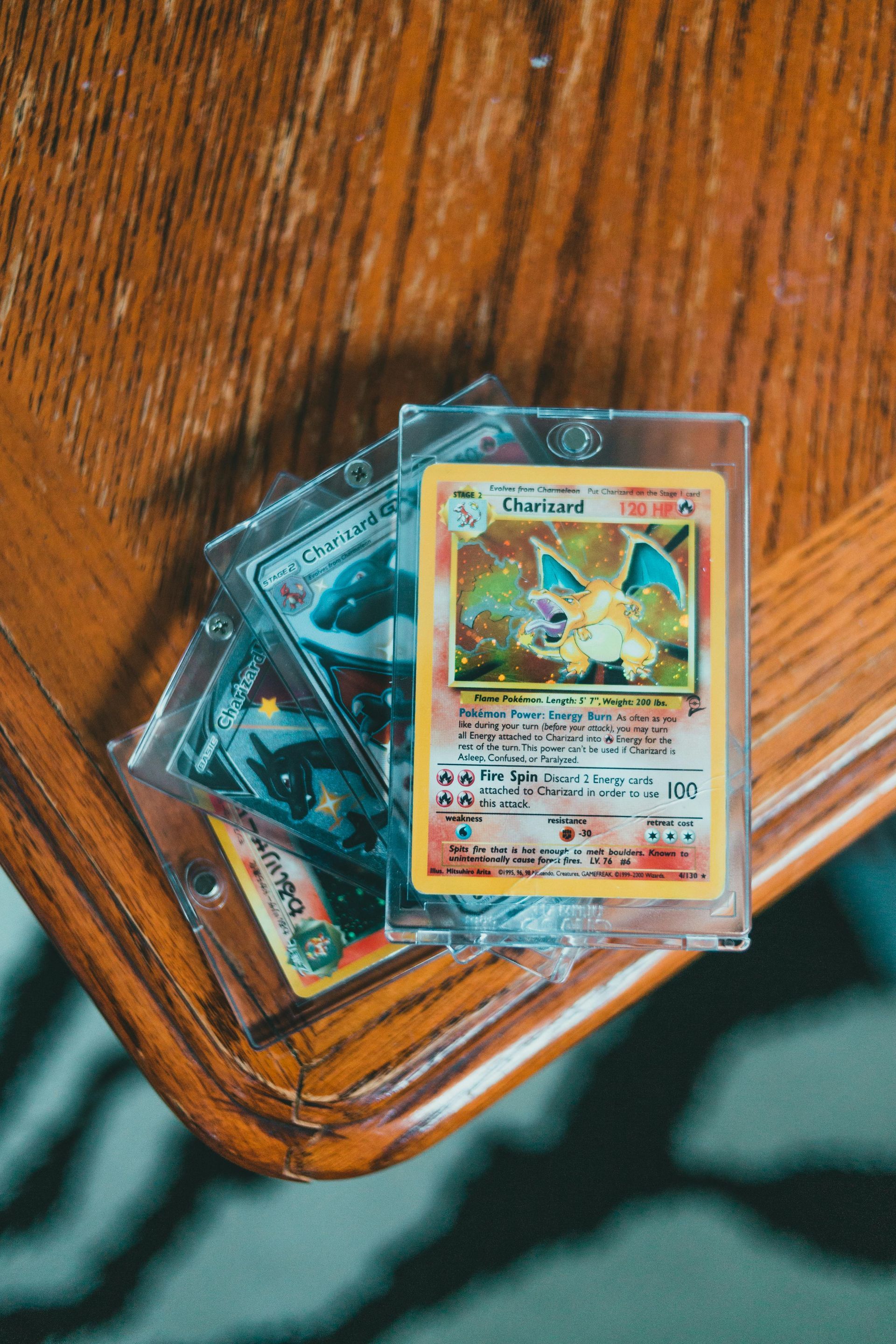
Learn what grail sports and Pokémon cards are and how borrowing against collectibles helps you acquire high-value assets without selling inventory.
Most collectors say they want grails.
But they treat them like optional purchases.
Something to buy “one day” when the timing feels right or when extra cash is available.
That approach is exactly why most never build real grail positions.
Because grails are not casual buys.
They are strategic assets, and acquiring them requires intention, timing, and capital.
If you are operating at a serious level, the question is not whether grails matter.
It is how you position yourself to acquire them without slowing everything else down.
What Is a Grail Card
A grail card is a high-value, highly desirable collectible that represents the top tier of a category.
In simple terms:
It is the card people hold, not flip.
But more importantly, grails typically share these characteristics:
- Low population or limited supply
- Strong historical or cultural significance
- High and consistent demand
- Long-term appreciation potential
These are not trend-based assets.
They are market anchors.
Examples of Grail Sports Cards
Legacy Player Rookies
- Michael Jordan Fleer Rookie
- LeBron James Topps Chrome Rookie
- Tom Brady Rookie Ticket Auto
Why they matter:
They represent entire eras of sports history and maintain global demand.
Ultra Rare Parallels and Autos
- Low serial numbered cards
- High-end patch autos
- Rare inserts
Why they matter:
Scarcity within already desirable players creates long-term value pressure.
High Grade Population Leaders
- PSA 10 or BGS 9.5 versions of key cards
Why they matter:
Condition scarcity compounds overall rarity.
Examples of Pokémon and TCG Grails
Vintage WOTC Holos
- Base Set Charizard
- First Edition holos
Why they matter:
These are foundational pieces of the Pokémon market.
Trophy and Promo Cards
- Illustrator Pikachu
- Limited Japanese promos
Why they matter:
Extremely low supply with strong collector demand.
High End Modern Grails
- Umbreon VMAX Alt Art
- Select chase cards from major sets
Why they matter:
Modern grails combine popularity with controlled scarcity.
Grails vs Flips: Understanding the Difference
This is where most operators split.
Short-Term Flips
- Focus on quick margins
- Higher transaction volume
- Driven by timing and liquidity
Grail Assets
- Long-term holds
- Lower turnover
- Value driven by scarcity and demand
Both matter.
But the strategy is different.
Flips generate cash flow.
Grails build net worth and long-term positioning.
The mistake is treating grails like flips or avoiding them entirely because they tie up capital.
Why Grails Matter More Over Time
As markets mature, capital flows toward stability.
We are already seeing:
- Increased demand for proven assets
- Less interest in speculative inventory
- More capital concentrated in top-tier cards
Grails benefit from this shift.
Because:
- Supply decreases as collectors hold
- Demand remains consistent or grows
- Prices adjust upward over time
They become harder to acquire with each cycle.
The Real Challenge: Capital Allocation
At this level, the issue is not understanding value.
It is managing capital.
You might:
- Have strong inventory
- Generate consistent revenue
- Understand which grails matter
But still hesitate because:
- Grails require large capital outlays
- Buying one may limit other opportunities
- Liquidity becomes tighter
This creates a tradeoff.
Do you:
- Allocate cash into grails and slow your business
- Or skip grails to maintain liquidity
That is a limiting decision.
Borrow Against Collectibles Instead of Selling Them
This is where strategy changes.
Instead of selling assets to buy grails, many operators choose to borrow against collectibles.
This allows you to:
- Unlock capital from existing inventory
- Acquire grails without liquidating positions
- Maintain long-term upside
- Keep inventory cycles moving
It removes the tradeoff.
Cash Only vs Leveraged Acquisition
Cash Only Approach
- Limited by available liquidity
- Forced to choose between grails and operations
- Slower accumulation of top-tier assets
Using Borrow Against Collectibles Strategy
- Access capital while holding assets
- Acquire grails at the right time
- Maintain operational flow
- Increase total portfolio strength
This is how serious operators build both:
- Cash flow
- Long-term asset value
Building Capital Relationships Over Time
Here is something most collectors overlook.
Access to capital improves with use.
Smart operators:
- Start with smaller funding positions
- Use capital strategically
- Repay consistently
- Build credibility with lenders
This leads to:
- Larger approvals
- Better terms
- Faster execution
So the real strategy is not just borrowing once.
It is building long-term access to capital.
Thinking Like a Business, Not Just a Collector
There is a clear difference at this level.
Collectors:
- Wait until they can afford grails
- Buy when cash is available
- Move slowly
Operators:
- Plan acquisitions
- Use capital strategically
- Build positions over time
At scale, relying only on available cash creates limitations.
Because grails do not wait.
Capital Efficiency and Opportunity Cost
Every time you pass on a grail due to liquidity, there is a cost.
Not just financially, but strategically.
Using card backed lending for collectibles allows you to:
- Capture opportunities when they appear
- Maintain ownership of core assets
- Build stronger portfolios over time
A simple approach:
- Identify grail opportunities
- Access capital without selling
- Acquire and hold strategically
- Repay funding
- Expand future capacity
This creates long-term leverage.
Internal Linking Opportunities
Link this article to:
- Sports Card Loans vs Selling Your Collection
- How Short Term Funding Helps Collectors Scale
- Borrow Against Collectibles Without Liquidating Assets
FAQ Sports Card Loans
Can sports card loans be used to acquire grail cards
Yes. Many operators use sports card loans to secure high-value cards without selling existing inventory.
Do I lose ownership of my cards
No. Most structures allow you to retain ownership while accessing capital.
Is this strategy only for large collectors
It is best suited for established operators with consistent revenue and inventory.
How quickly can funding be accessed
Alternative funding options are typically faster than traditional financing.
Does applying impact credit
Many platforms allow prequalification without a hard credit pull.
What’s Next
You are not here because you do not understand grails.
You are here because you are trying to figure out how to acquire more of them.
At a certain level, growth does not slow because of demand.
It slows because of capital.
You might be:
- Holding strong inventory
- Running a profitable operation
- Seeing grail opportunities but hesitating
That tension is normal.
It is also a signal.
You are at the stage where capital becomes a strategic tool.
The operators who move forward from here do one thing differently.
They stop relying only on available cash.
They build access.
They use funding with discipline.
They create momentum.
Vault Netwrk is designed for this stage.
A network built for collectors and resellers who understand the value of timing, inventory, and capital efficiency.
Exploring your options is not a commitment.
It is due diligence.
If you are serious about building a stronger portfolio without slowing your business, completing a funding inquiry is simply the next step.