
How to Turn a High-Volume Card Trading Operation into a Retail Store
Summary
If you’re running a high-volume card trading operation, you’ve already mastered sourcing, buying, and selling cards. The next step is turning that business into a retail store. A physical location adds credibility, expands your customer base, and provides opportunities for higher sales. This guide walks you through how to plan, fund, and launch a card shop using proven strategies for high-volume resellers.
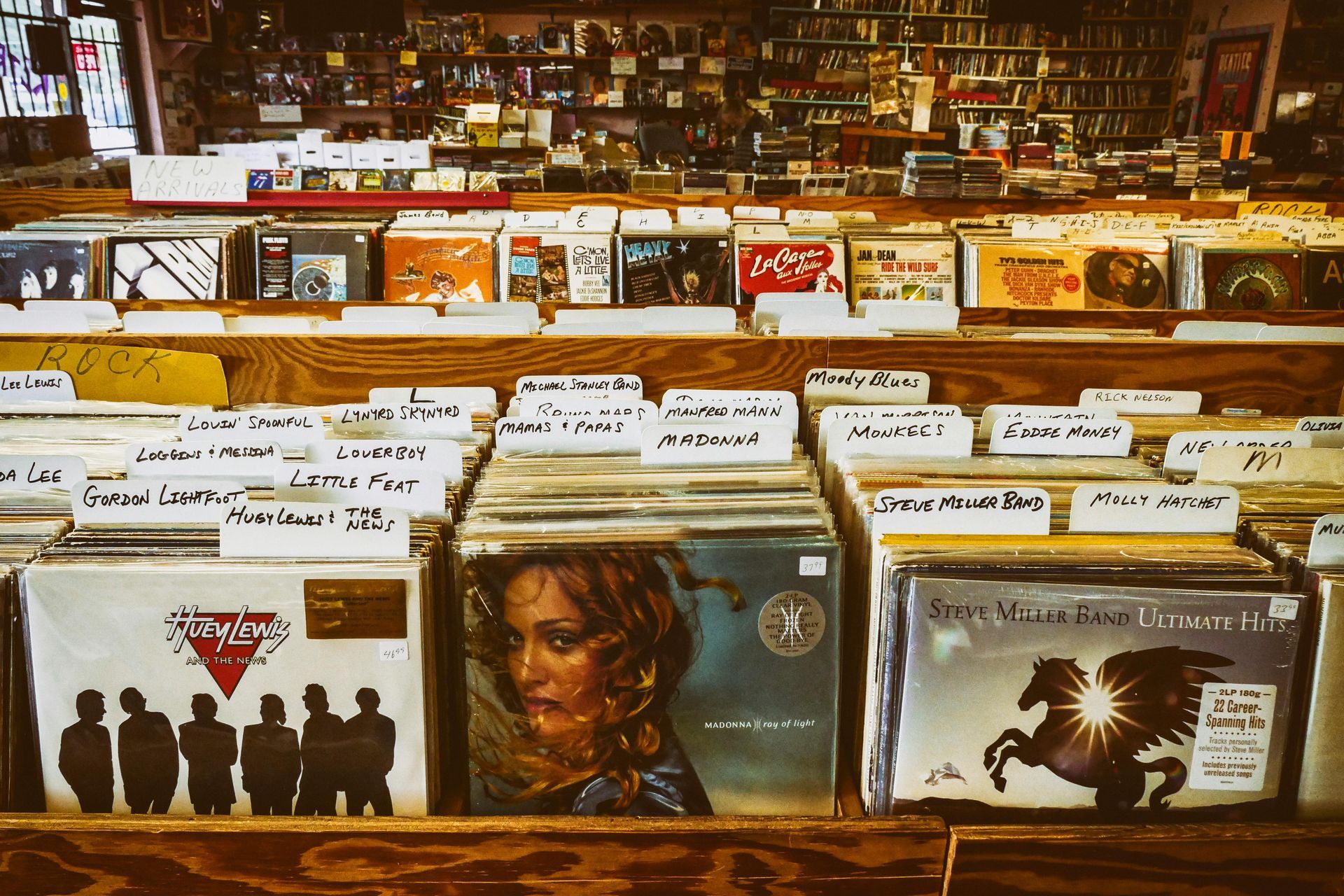
Transform your trading business into a storefront that attracts collectors and boosts revenue
Running a high-volume card trading business online or at shows is exciting, but it has limits. There’s only so much inventory you can manage at home or in temporary locations.
A retail store allows you to:
- Showcase your best cards in a professional environment
- Build a local collector community
- Increase revenue through foot traffic and in-person sales
- Streamline inventory and logistics
The challenge is funding and operational planning—but with the right approach, it’s achievable.
Step 1: Evaluate Your Current Operation
Before opening a store, understand your existing business:
- Monthly revenue and profit margins – lenders and landlords will ask
- Inventory value – graded cards, sealed boxes, and collectibles
- Customer base – are you attracting repeat buyers?
- Sales channels – online platforms, shows, or private deals
Documenting this data strengthens your loan application and helps plan your store layout and inventory.
Step 2: Secure Business Funding
Turning a trading operation into a retail store requires capital for:
- Lease or purchase of store space
- Fixtures, shelving, and point-of-sale systems
- Initial inventory for the store
- Marketing and grand opening events
- Staffing for operations
Funding Options:
- Business Loans – structured funding for inventory and operations
- Lines of Credit – flexible cash flow for ongoing purchases
- Inventory-Backed Loans – use high-value cards as collateral
- Equipment Financing – cover store fixtures and technology
Choose the funding method that aligns with your revenue, credit, and growth plan.
Step 3: Find the Right Location
Location is crucial for retail success. Consider:
- High foot traffic areas like malls, shopping centers, or near schools
- Communities with active collectors or hobby groups
- Rent vs. expected revenue – balance cost with potential sales
- Visibility and accessibility – parking and signage matter
A good location attracts both casual buyers and serious collectors.
Step 4: Plan Your Store Layout and Operations
How your store looks and functions affects sales:
- Display high-value cards securely – use locked cases for graded singles
- Organize inventory by category – sports, trading card games, sealed boxes
- Create a welcoming environment – comfortable space for collectors to browse
- Track inventory – manage what sells fast and restock strategically
A thoughtful layout increases customer satisfaction and encourages repeat visits.
Step 5: Market Your Retail Store
Marketing helps generate buzz and attract foot traffic:
- Social media campaigns – highlight new arrivals, events, and promotions
- Local events – host card nights, tournaments, or signings
- Email lists – inform loyal customers about exclusive drops
- Collaborations – partner with local hobby shops or gaming stores
Marketing ensures your high-volume trading business translates into a thriving retail store.
Step 6: Monitor and Adjust
After opening, track key metrics:
- Inventory turnover
- Monthly revenue vs. projections
- Customer feedback and foot traffic
- ROI on marketing campaigns
Use this data to adjust inventory, staffing, and promotions for optimal growth.
FAQ: Turning a High-Volume Card Trading Operation into a Retail Store
Do I need a lot of cash to open a retail store?
Not necessarily. Business loans, lines of credit, and inventory-backed financing can provide the capital you need.
How much space do I need for a card store?
Most successful card shops range from 800–1,500 sq. ft., depending on inventory and customer volume.
Can I use online trading experience to qualify for funding?
Yes. Lenders value consistent revenue, inventory management, and repeat customers.
How long does it take to launch a store?
With planning, funding, and a location lined up, many traders open in 2–3 months.
Next Steps: Transform Your Trading Business
You’ve already proven you can move high volumes of cards. The next step is scaling into a retail store that attracts new customers and increases revenue.
Vault Netwrk connects high-volume card traders with lenders who understand the collectibles market. Our lead service helps you:
- Access funding quickly
- Stock inventory without selling your best cards
- Launch a store designed for long-term growth
Contact a rep today to explore funding options and start turning your trading operation into a successful retail store.