
The Rise of Card Shops and Why More Collectors Are Opening Stores
Summary
In recent years, card shops have experienced a resurgence in popularity, driven by the booming collectibles market. From sports cards to Pokémon cards, the demand for physical stores that offer trading cards, memorabilia, and a community atmosphere has never been higher. For collectors, opening a card shop is no longer just about passion for the hobby it's also about leveraging business opportunities, scaling up, and turning collections into a sustainable business.
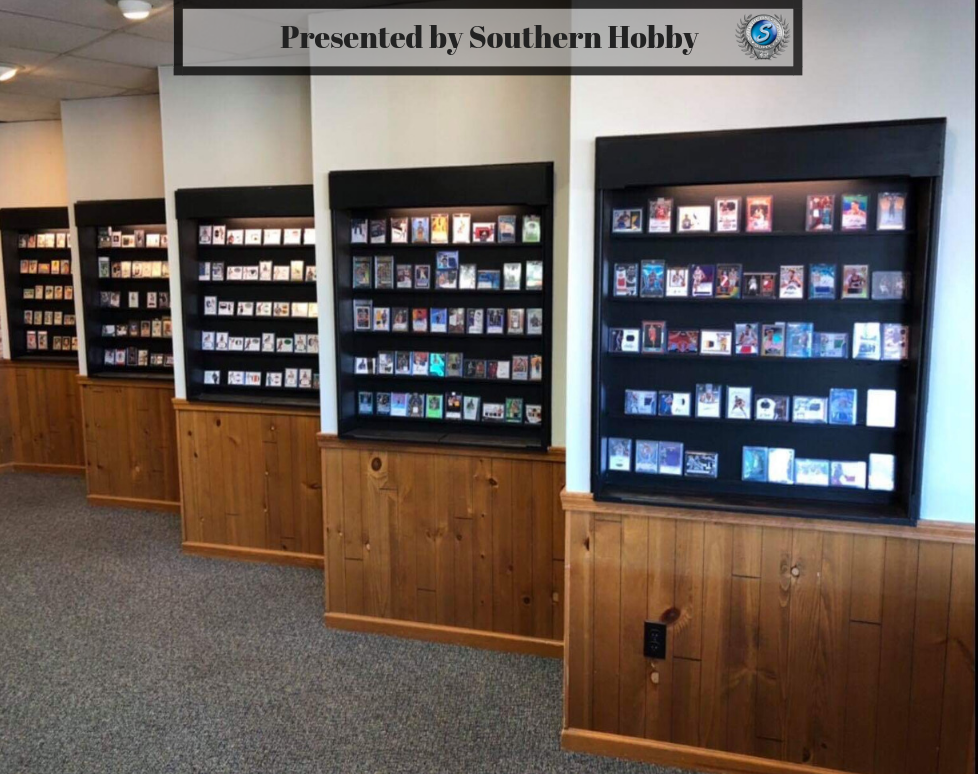
Learn why more collectors are opening card shops in 2026 and how leveraging financing can fuel growth for sports card businesses.
1. Booming Demand for Collectibles
The market for collectible cards has exploded over the last few years. High-profile sales at auction, coupled with the massive online following of various trading card games (TCGs) like Pokémon and Magic: The Gathering, have generated renewed interest in cards, particularly sports cards. For many hobbyists and collectors, the rise of online trading platforms like eBay has made card flipping a highly profitable venture, while Pokémon card resellers are capitalizing on nostalgia and rarity.
2. Strong Community and Local Engagement
Card shops have long been the center of the collector community, offering a space where people can trade, buy, and sell cards. With the rise of digital platforms, card shops have evolved to provide more than just merchandise—they offer a social aspect to the hobby, hosting events, tournaments, and gatherings. This community-building aspect is a major draw for collectors looking for a place to share their passion and grow their knowledge of the hobby.
3. The Shift to Physical Retail
While e-commerce remains a driving force in the collectibles market, physical retail stores offer tangible benefits that cannot be replicated online. The ability to physically inspect cards, build rapport with customers, and engage with a loyal customer base has prompted many collectors to take the plunge and open their own shops.
Leveraging Capital to Open and Grow a Card Shop
For many collectors, the financial aspect of opening a card shop can be the most daunting. Inventory can be expensive, especially when trying to secure rare high-value cards. Additionally, the cost of storefront leases, equipment, and staffing can quickly add up.
Here’s how collectors and investors are using capital to open and scale their card shops without liquidating their long-term holdings:
1. Inventory Financing: Stocking Your Shop Without Selling
Inventory financing allows collectors to secure funding specifically for purchasing cards and memorabilia. By borrowing against future sales, collectors can stock their shop with a wide variety of cards, from low-end collectibles to high-end grails that attract more customers.
Key Benefits of Inventory Financing:
- Preserve ownership: You can still retain ownership of your collection while acquiring more inventory.
- Increase purchasing power: By securing capital, you can buy more cards and diversify your offerings.
- Flexible repayment: Repay the loan with profits made from sales, avoiding cash flow issues.
2. Collectibles Financing: Scaling Faster and Smarter
If you already have a successful online store or part-time card business, collectibles financing can provide the working capital needed to open a physical shop or expand your operations. This type of financing is geared specifically toward those who buy, sell, and trade valuable cards, enabling you to grow faster without sacrificing inventory or relying solely on personal savings.
Benefits of Collectibles Financing:
- Faster scaling: Increase your inventory turnover rate and buy higher-value cards that appreciate quickly.
- Targeted growth: Use the capital to buy inventory in bulk or secure exclusive deals.
- Attract customers: With a larger and more diversified inventory, your store can attract a broader range of customers.
3. Card-Backed Lending: Borrow Against Your Collection
If you already own valuable cards, you can use card-backed lending to unlock cash without selling your personal collection. Borrowing against your inventory can provide immediate capital to open a storefront, while still holding on to your grails and high-value assets. It’s an excellent way to access funds for larger purchases and expansions while maintaining long-term ownership.
Advantages of Card-Backed Lending:
- Quick access to funds: Secure capital quickly by leveraging your existing collection.
- No liquidation: Keep your assets and avoid selling off inventory to free up cash.
- Lower risk: As a secure loan, card-backed lending generally offers favorable terms compared to unsecured loans.
The Strategic Advantage of Borrowing for Growth
It’s tempting to think that operating on available cash is the only way to scale a business. However, successful businesses often grow through the responsible use of structured capital. Leverage allows card shop owners to preserve their valuable assets while increasing transaction velocity. It can mean faster inventory cycles, larger stockpiles of sought-after collectibles, and the ability to take advantage of market opportunities that competitors may miss.
Here’s how borrowing and capital efficiency create momentum in a growing card shop business:
- Faster inventory turnover: By using borrowed capital to acquire inventory, you can turn over stock faster, increasing the frequency of sales.
- Access to exclusive deals: With capital on hand, you can secure rare cards and high-demand memorabilia before others in the market.
- Build business credibility: Successfully borrowing, managing, and repaying loans strengthens your relationship with lenders, allowing you to access larger funding opportunities in the future.
FAQ: Card Shop Loans and Financing
What is inventory financing?
Inventory financing is a loan designed specifically to help businesses purchase inventory, allowing card shop owners to buy cards and collectibles without depleting personal savings.
Can I use card-backed lending to open a card shop?
Yes! Card-backed lending allows you to borrow against valuable sports cards, providing capital to open a storefront and expand your business.
What is collectibles financing?
Collectibles financing provides capital to buy, grade, and sell trading cards. It’s an ideal solution for card shop owners who need working capital to grow their operations.
How can I scale my card shop with capital?
By using financing options like inventory funding and card-backed lending, you can acquire more inventory, improve cash flow, and scale your card shop faster.
What’s Next
Opening and scaling a card shop in today’s thriving collectibles market requires capital whether to purchase inventory, secure a storefront, or expand your operations. At Vault Netwrk, we specialize in financing options tailored to the needs of collectors and resellers in the trading card industry.
Ready to scale your card shop? Complete a funding inquiry with Vault Netwrk today and explore how we can help you leverage capital to accelerate your business growth.