The Borrow, Deploy, Repay, Repeat Strategy Explained for Card Businesses
Summary
In the fast-moving world of sports cards, Pokémon, and TCGs, cash flow timing often determines success. This guide explains the borrow, deploy, repay, repeat strategy, showing how disciplined funding cycles can multiply profits while keeping long-term ownership intact.

Learn how the borrow, deploy, repay, repeat strategy helps sports card and TCG businesses scale inventory, capture deals, and grow profits efficiently.
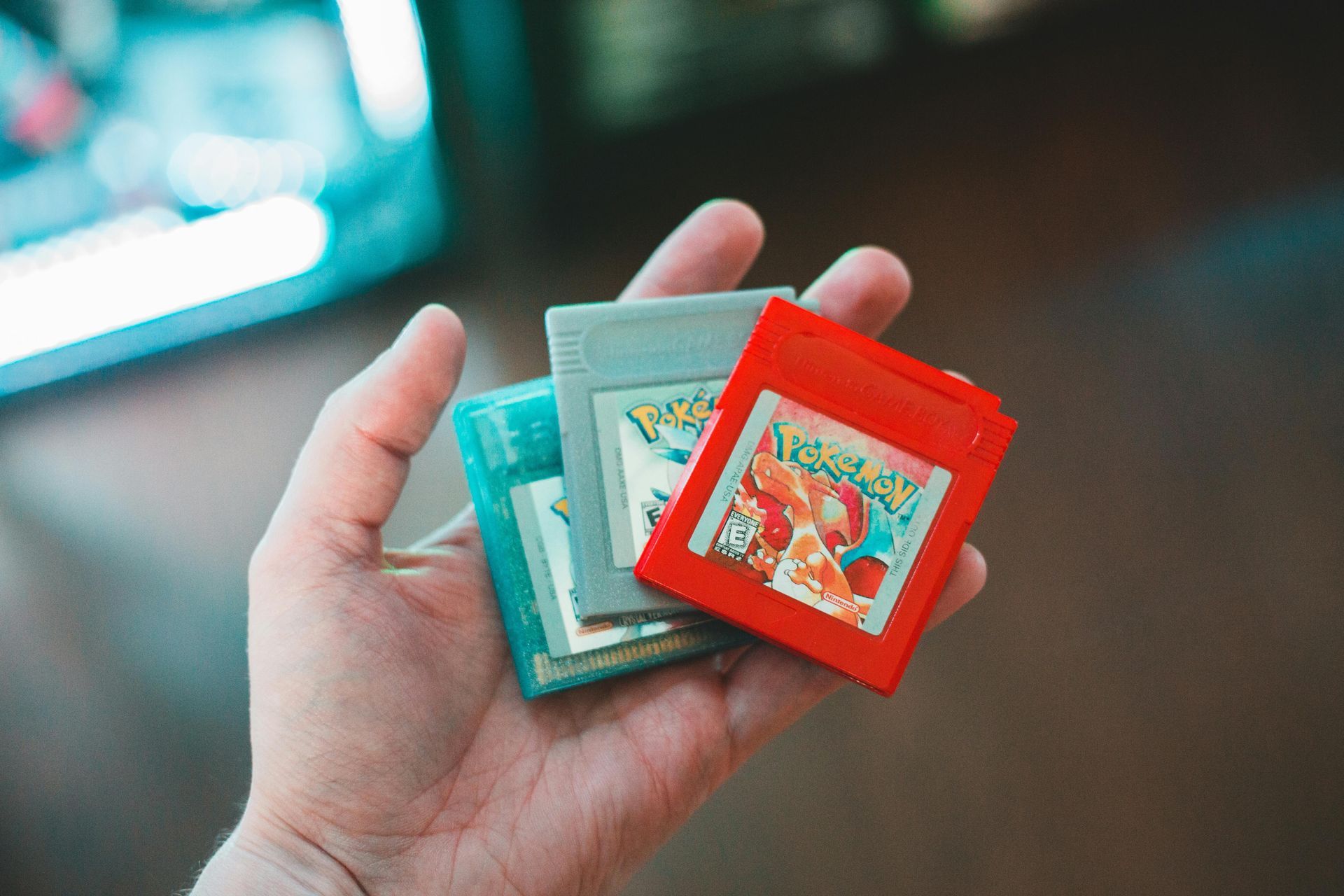
For many collectible businesses, growth stalls not because the market lacks demand but because capital is tied up in inventory. You might spot a rare Pokémon lot, a bulk TCG opportunity, or a high-value sports card auction but without fast access to funding, the opportunity passes.
Traditional financing like bank loans often fails collectible operators because:
- They require extensive documentation
- Approval can take weeks or months
- Loan amounts are rigid and inflexible
- Long-term commitments may not align with short-term inventory cycles
Alternative funding sports card loans, Pokémon card loans, and card backed lending solves these issues by providing fast, accessible capital designed for short-term cycles. This speed gives serious operators the ability to act when others hesitate.
How the Borrow, Deploy, Repay, Repeat Cycle Works
At its core, the cycle is simple:
- Borrow: Secure a short-term loan. Example: $1.
- Deploy: Invest in inventory that will generate more than your borrowed amount. For example, buy cards for $1 that you can sell for $1.40.
- Repay: Return the principal plus a modest fee, e.g., $1.12–$1.15.
- Repeat: Use the returned capital to fund the next cycle, compounding profits while maintaining ownership of valuable assets.
Example in Action:
- Borrow $1
- Turn it into $1.40 through strategic flips
- Repay $1.12 to the lender
- Keep $0.28 profit and reinvest $1 for the next opportunity
Repeat this process consistently. Over time, small margins multiply into significant profits, and disciplined cycles become the engine of predictable growth.
Why Repetition Creates Momentum
The power of this strategy lies not in borrowing large amounts but in disciplined, repeated execution. Each successful cycle:
- Builds credibility with lenders, increasing future funding limits
- Improves purchasing power, allowing you to capture larger opportunities
- Accelerates inventory turnover, keeping your offerings fresh and competitive
- Reduces opportunity cost money is working for you instead of sitting idle
Top sellers use repetition as leverage. They understand that speed, consistency, and responsible repayment distinguish scalable businesses from hobbyist operators.
Strategic Advantages of Borrowing Responsibly
- Speed: Move quickly to secure rare or high-demand inventory before competitors
- Leverage: Use short-term funding to turn small capital into larger revenue streams
- Credibility: Early, consistent repayment signals trustworthiness, unlocking better terms and higher capital access
- Profit Efficiency: Small margins repeated over multiple cycles generate significant compound growth
- Preserved Ownership: Leverage capital without liquidating long-term investments
This isn’t just borrowing it’s strategic capital management. Operators who understand timing, market trends, and margin potential can amplify profits while minimizing risk.
FAQ About Sports Card and TCG Funding
Q: Is short-term funding risky?
A: Only if used irresponsibly. By targeting high-margin inventory and adhering to disciplined repayment, risk is minimized, and growth becomes predictable.
Q: Do lenders require personal guarantees?
A: Many collectible-focused lenders prioritize inventory collateral over personal guarantees, simplifying access and protecting business cash flow.
Q: How quickly can I repeat the cycle?
A: Depending on sales speed and inventory type, cycles can repeat in days or weeks. Faster cycles equal faster profit compounding.
Q: Will borrowing affect my credit?
A: Reputable platforms often do not perform hard credit pulls, focusing instead on inventory and repayment ability.
Real-World Perspective: How Top Sellers Think
Top Pokémon and TCG sellers don’t treat funding as a backup plan they treat it as a growth tool. For them, every borrowing cycle is a chance to:
- Increase inventory without depleting cash reserves
- Capture deals that would otherwise be missed
- Flip cards quickly and reinvest profits
- Scale operations while maintaining ownership of high-value assets
This mindset profit over cost is what separates casual collectors from serious business operators who dominate the market.
What’s Next
If you’re ready to move beyond cash-only limitations, exploring structured collectible funding is the logical next step. Completing a funding inquiry doesn’t impact credit and allows you to evaluate available capital, terms, and deployment strategies.
For operators already generating cash flow and running legitimate businesses, leveraging short-term funding cycles accelerates growth, increases purchasing power, and positions you to capture bigger opportunities. By understanding how to borrow, deploy, repay, and repeat strategically, you can flip inventory faster, scale profits efficiently, and stay ahead of competitors in the high-stakes card business.