
The Biggest Mistakes Card Shop Owners Make When Trying to Scale
Summary
Scaling a card shop business sounds exciting — more sales, more inventory, bigger customers. But here’s the reality: most card shop owners don’t struggle because of lack of demand. They struggle because they make critical scaling mistakes that quietly drain cash flow, slow growth, and create burnout. In this guide, you’ll learn the most common mistakes shop owners make when trying to grow — and exactly how to avoid them so you can scale faster and smarter.
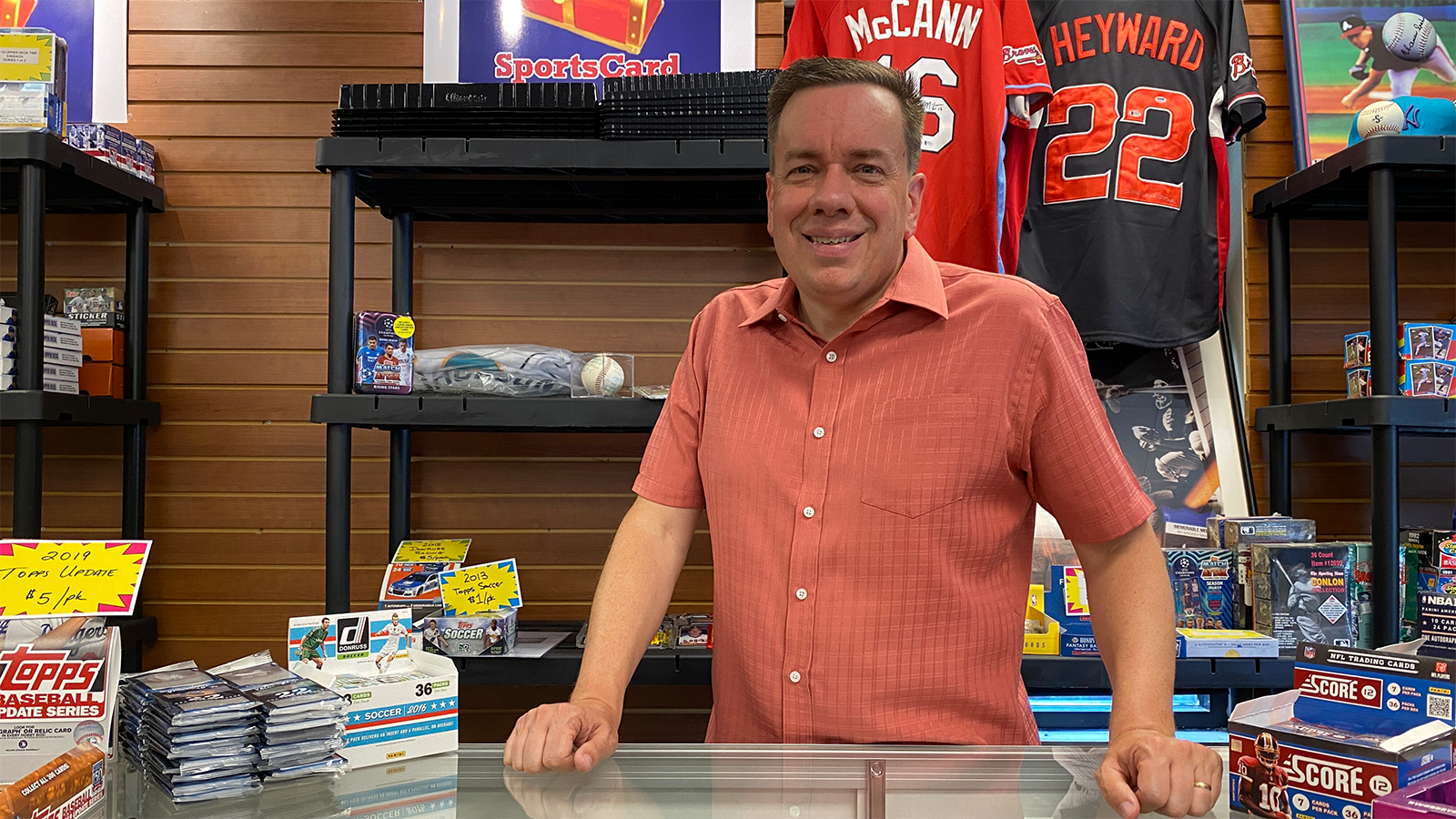
How to avoid growth traps, protect cash flow, and build a profitable, sustainable card shop business
At first, running a card shop feels straightforward.
You buy inventory.
You sell inventory.
You repeat.
But once you try to scale your card shop business, everything changes.
Suddenly you’re dealing with:
- Larger inventory purchases
- Higher operating costs
- Cash flow pressure
- Slower decision-making
And many shop owners discover something shocking:
Growing revenue doesn’t automatically mean growing profit.
In fact, scaling the wrong way can make your business more stressful and less profitable.
That’s why avoiding common scaling mistakes is critical.
Mistake #1: Buying Too Much Inventory Too Fast
This is by far the biggest scaling mistake.
Many shop owners think growth means stocking as much inventory as possible.
So they start:
- Buying large collections
- Over-ordering from distributors
- Investing heavily in speculative inventory
The result?
Cash gets trapped in inventory that doesn’t sell quickly.
Why this hurts scaling
- Reduces liquidity
- Limits new buying opportunities
- Creates financial stress
Smarter approach
Scale inventory gradually and focus on fast-turning items.
Growth should follow sales velocity — not excitement.
Mistake #2: Ignoring Inventory Turnover Speed
Revenue alone doesn’t tell the full story.
Two shops might both sell $50,000 per month.
But one turns inventory twice as fast.
That shop has:
- Better cash flow
- Lower risk
- More buying power
Many owners focus only on profit margins and ignore how long items sit.
Fix this by tracking:
- Days to sell inventory
- Aging stock levels
- Weekly turnover rates
Speed matters more than maximum price.
Mistake #3: Trying to Handle Everything Alone
In the early stages, owners do everything themselves.
But scaling requires delegation.
Many shop owners struggle because they:
- Continue listing every card manually
- Handle all customer communication
- Manage shipping alone
This creates a growth bottleneck.
Signs you’ve hit this stage
- You’re constantly busy but growth stalls
- Work hours keep increasing
- Decisions take longer
The solution is simple:
Build systems, not just workload.
Mistake #4: Failing to Build Consistent Buyer Demand
Some shop owners believe inventory alone drives growth.
But inventory without buyers doesn’t scale.
Many shops rely heavily on:
- Walk-in traffic
- Marketplace listings
- Random online exposure
This creates unpredictable sales.
True scaling requires demand systems
- Repeat customer pipelines
- Email or buyer lists
- Collector communities
- Lead generation strategies
Consistent demand makes growth predictable.
Mistake #5: Chasing Hype Instead of Stability
The collectibles market is full of hype cycles.
Scaling shops sometimes make the mistake of:
- Over-investing in trending players
- Speculating heavily on short-term demand
- Ignoring long-term steady sellers
Hype inventory can be profitable — but risky.
Stable inventory builds consistent growth.
Mistake #6: Ignoring Cash Flow Management
Profit doesn’t equal cash flow.
Many scaling shops appear successful but struggle financially.
Common problems include:
- Large upfront inventory purchases
- Delayed sales cycles
- Rising operating costs
Without strong cash flow management, growth becomes dangerous.
Healthy scaling requires:
- Liquidity reserves
- Inventory budgeting rules
- Weekly financial tracking
Cash flow stability protects long-term success.
Mistake #7: Not Expanding Revenue Streams
Some shop owners rely too heavily on single card sales.
But scalable shops diversify income.
Examples include:
- Consignment services
- Live breaks
- Bulk wholesale deals
- Collector subscription programs
Multiple revenue streams reduce risk and stabilize growth.
Mistake #8: Neglecting Customer Relationships
Scaling isn’t just about inventory.
It’s about people.
Many shop owners focus on transactions instead of relationships.
But repeat buyers are the foundation of scalable growth.
They:
- Spend more per order
- Buy more frequently
- Require less marketing effort
Building loyalty increases revenue without extra workload.
Mistake #9: Growing Without Systems
The biggest hidden scaling mistake is trying to grow without structure.
Many shops operate reactively instead of strategically.
Without systems, growth leads to chaos:
- Inventory confusion
- Pricing inconsistencies
- Operational delays
True scaling requires repeatable workflows.
How to Scale a Card Shop the Right Way
Successful scaling follows a clear formula:
- Increase inventory turnover speed
- Build consistent buyer demand
- Maintain strong cash flow reserves
- Implement operational systems
- Focus on long-term customer relationships
When these pieces align, growth becomes sustainable.
FAQ: Card Shop Business Scaling
What is the biggest mistake when scaling a card shop business?
The most common mistake is buying too much inventory without ensuring consistent sales demand.
How do you scale a card shop business successfully?
Successful scaling requires strong cash flow management, consistent buyer pipelines, and efficient operational systems.
Why do many card shops struggle to grow?
Many rely too heavily on inventory and ignore customer demand systems and turnover speed.
How long does it take to scale a card shop?
Most shops can scale significantly within 1–2 years with the right strategy and demand generation.
What’s Next: Scaling With Predictable Buyer Demand
Avoiding these mistakes is the first step toward growth.
But the real breakthrough happens when you build consistent demand.
Because scaling isn’t just about having more inventory — it’s about having more ready buyers.
Our lead service helps card shop owners connect with serious collectors actively looking to purchase inventory, collections, and bulk deals.
This creates:
- Predictable monthly revenue
- Faster inventory turnover
- Stronger cash flow stability
If you’re ready to scale your card shop the right way, the next step is simple: connect with a rep to learn how consistent buyer leads can accelerate your growth.