
The Business Behind Pokémon Cards: Why Investors Are Entering the Hobby
Summary
Pokémon cards are no longer just collectibles. In 2026, they’re increasingly treated as alternative assets by serious investors and high-volume resellers. As the Pokémon market matures, operators are focusing on capital efficiency, inventory velocity, and portfolio management. This is where TCG financing and other collectible funding strategies come into play. Instead of liquidating rare cards or sealed inventory, experienced operators are learning to leverage capital strategically to scale their businesses while maintaining ownership of long-term assets.
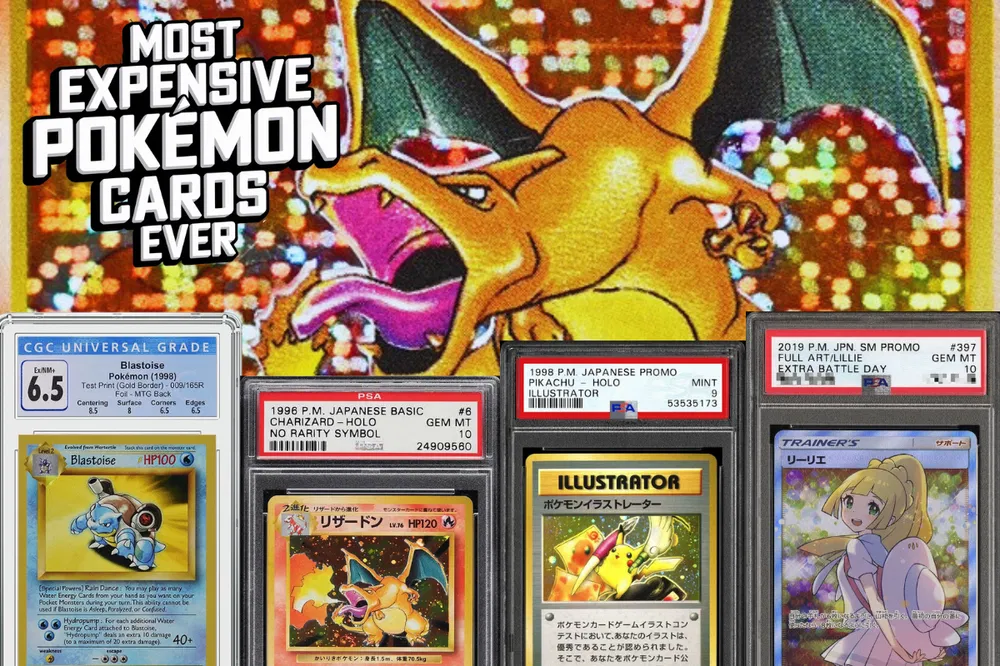
How Serious Collectors Are Turning Pokémon Cards Into Structured Assets and Scalable Businesses
If you operate a Pokémon card business, this stage probably sounds familiar.
Your operation is profitable.
Revenue might exceed $20,000 per month.
You know how to source inventory, grade cards, and move product.
Demand exists.
But growth begins slowing down.
Not because opportunities disappear.
Because capital becomes the bottleneck.
You may already be sitting on:
- high-grade Pokémon inventory
- sealed booster boxes
- PSA submissions in progress
- rare cards waiting for the right market timing
On paper, the business is strong.
But liquidity becomes temporarily limited.
That tension being asset rich but cash constrained is one of the most common phases serious operators experience.
Why Cash-Only Thinking Limits Pokémon Businesses
Many collectors still operate under the assumption that using financing in the hobby means something is wrong.
But in reality, that mindset comes from hobby thinking, not business thinking.
Every major industry uses structured capital to grow.
Real estate investors leverage properties.
Retail businesses finance inventory.
Art collectors borrow against collections.
The Pokémon card industry is simply beginning to follow the same path.
Operators who scale typically focus on:
- capital efficiency
- transaction velocity
- inventory cycles
- opportunity cost
That’s why solutions like TCG financing and borrow against collectibles programs are becoming relevant.
Not because businesses are struggling.
Because they are growing.
The Opportunity Cost of Selling Your Best Pokémon Cards
When liquidity gets tight, many collectors make the same mistake.
They sell their strongest assets.
A rare PSA 10 Charizard.
A sealed vintage booster box.
A trophy card.
Selling solves the immediate cash need.
But it creates another problem.
You lose long-term exposure to appreciating assets.
Instead, some operators are turning toward card backed lending strategies.
This allows them to:
- unlock working capital
- maintain ownership of rare assets
- capture new inventory opportunities
- keep their long-term portfolio intact
The goal isn’t liquidation.
It’s capital leverage without losing ownership.
How TCG Financing Helps Pokémon Investors Move Faster
In fast-moving collectible markets, timing is everything.
Major deals appear unexpectedly:
- private collection purchases
- auction opportunities
- underpriced PSA inventory
- sealed product allocations
The operators who move fastest often secure the best deals.
This is where TCG inventory financing becomes a powerful tool.
Instead of waiting for previous sales to clear, investors can access structured capital to act immediately.
That means:
- larger buying positions
- faster grading cycles
- more inventory rotation
- higher deal flow
Over time, those advantages compound.
The Hidden Advantage: Building Capital Relationships
Another important concept experienced operators understand is lender credibility.
The first funding approval may not be perfect.
It might be smaller than expected.
Terms might improve gradually.
But responsible borrowing creates a track record.
When a business:
- borrows strategically
- reinvests capital into inventory
- flips product successfully
- repays funding on schedule
Something powerful happens.
Lenders gain confidence.
And that confidence can unlock:
- larger approvals
- better terms
- faster funding access
- potential revolving credit lines
This is exactly how many businesses scale beyond early limitations.
Not through a single funding event.
But through long-term capital relationships.
The Shift From Collector to Operator
The Pokémon market is evolving quickly.
The difference between collectors and operators is becoming clearer.
Collectors focus on personal portfolios.
Operators focus on capital efficiency and deal flow.
That mindset shift changes everything.
Instead of asking:
“Can I afford this card right now?”
Operators ask:
“Does this opportunity make financial sense with the capital available?”
That approach opens the door to tools like:
- TCG financing
- Pokémon card loans
- collectibles inventory financing
- borrow against collectibles solutions
These tools allow businesses to operate at a larger scale without constantly liquidating valuable inventory.
Why Collectible Finance Is Becoming Part of the Hobby
The trading card industry is entering a new phase.
Marketplaces built the first wave of growth.
Grading companies created liquidity.
Now the next evolution is financial infrastructure.
Collectors want to maintain ownership of rare assets.
Resellers need capital to expand inventory cycles.
Investors want access to structured funding solutions that understand collectibles.
This is exactly where platforms like Vault Netwrk come in.
By connecting collectors and trading card businesses with lenders and private investors who understand the market, they are helping build the financial backbone of the hobby.
Not traditional banking.
Collectible-native finance.
FAQ: Sports Card Loans
What are sports card loans?
Sports card loans allow collectors or resellers to access capital using valuable trading cards as leverage while maintaining ownership of those assets.
Can Pokémon collectors use sports card loans or similar financing?
Yes. Many financing solutions extend to Pokémon cards and TCG inventory through programs like TCG financing or Pokémon card loans.
Who typically uses collectibles financing?
Established collectors, resellers, and card shop operators who want working capital without selling long-term assets.
Are collectibles loans risky?
When used responsibly and strategically, many businesses use them simply as a tool to manage inventory cycles and purchasing power.
What’s Next
If you’re researching the business side of Pokémon cards, chances are you’re not looking for a rescue.
You’re looking for acceleration.
Many established collectors eventually reach a stage where growth slows down — not because demand disappears, but because capital timing becomes the limiting factor.
You may already have:
- valuable Pokémon inventory
- consistent sales
- strong deal flow
- grading pipelines in motion
But major opportunities move faster than cash flow cycles.
That’s where TCG financing and collectibles funding become strategic tools.
Not shortcuts.
Not emergency solutions.
Just structured capital used intelligently by operators who understand inventory cycles and market timing.
Exploring capital options doesn’t impact your credit and doesn’t require hard pulls. It simply helps you understand what funding solutions may be available.
For growth-focused collectors and resellers, checking those options is simply part of running a serious business.