
Why Some Sports Card Dealers Always Seem to Have Better Inventory
Summary
Ever wonder why certain dealers always seem to have the best collections, the rarest cards, and first access to major inventory opportunities? It is rarely luck. The strongest sports card businesses combine relationships, reputation, buying power, and access to capital. While many dealers compete for the same inventory, those with access to sports card loans and working capital are often positioned to move faster, acquire larger collections, and build stronger supplier relationships over time.
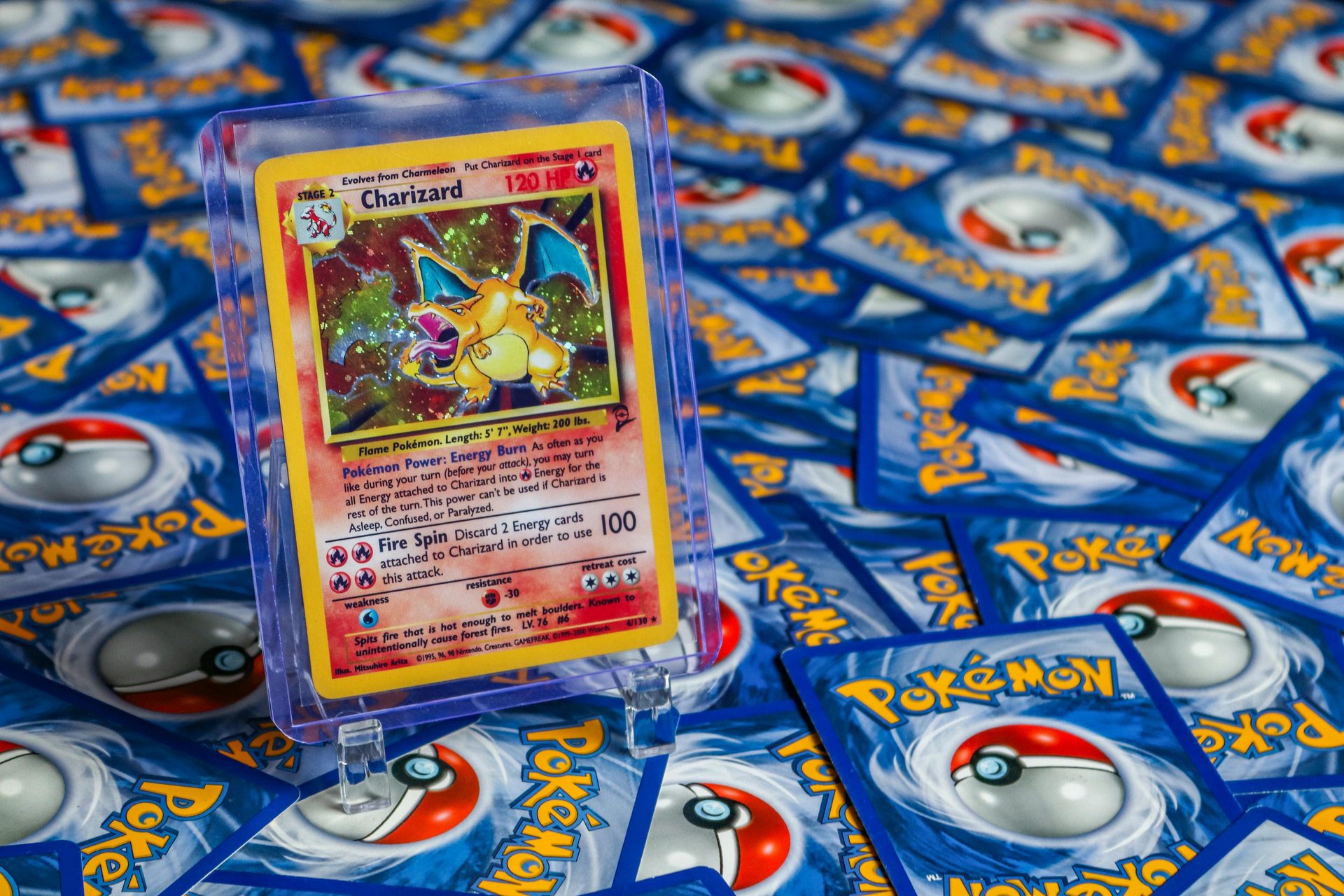
Sports Card Loans: Why Some Sports Card Dealers Always Seem to Have Better Inventory
Walk through any major card show and you'll notice something interesting.
A small group of dealers consistently seem to have the inventory everyone wants.
The rare rookie cards.
The high-end graded slabs.
The fresh collections.
The premium showcase pieces.
Meanwhile, other dealers are often carrying similar inventory month after month, struggling to replenish stock at the same pace.
Most people assume the difference comes down to experience or connections.
While those factors matter, they are only part of the story.
If you're researching sports card loans, chances are you're not looking for a rescue.
You're looking for an edge.
Many established dealers, resellers, and card business owners eventually reach a point where growth slows. Demand remains strong. Customers are buying. Opportunities are everywhere.
Yet somehow competitors continue securing stronger inventory.
The reason is often simpler than people realize.
Better inventory usually follows better access to capital.
The Frustration of Watching Others Get the Best Deals
Most serious operators have experienced this.
A major collection becomes available.
A dealer network contact offers a bulk purchase opportunity.
A rare inventory package appears at an attractive price.
You know the deal makes sense.
You know the inventory will move.
You know the margins are there.
But timing gets in the way.
The opportunity arrives before liquidity does.
Meanwhile, another dealer acquires the collection.
A few weeks later, those cards appear in their showcase.
This can be frustrating because the problem is rarely knowledge.
It's often capital availability.
Being asset-rich but cash-constrained is one of the most common growth stages for successful sports card businesses.
Better Inventory Starts With Better Relationships
Inventory opportunities rarely appear publicly first.
The best collections often change hands through relationships.
Successful dealers spend years building trust with:
- Collectors
- Wholesalers
- Auction participants
- Other dealers
- Estate representatives
- Private sellers
When people know you can perform consistently, opportunities start arriving before the broader market sees them.
But relationships alone are not enough.
When opportunities appear, sellers want certainty.
They want confidence that a deal can close quickly.
This is where buying power becomes important.
Why Buying Power Creates More Opportunities
The strongest inventory opportunities often require immediate action.
Collections do not stay available forever.
Premium inventory rarely waits for cash flow cycles.
Dealers with stronger buying power can:
- Purchase larger collections
- Acquire premium inventory packages
- Secure exclusive opportunities
- Negotiate better pricing
- Move quickly on time-sensitive deals
This creates a competitive advantage.
Not because they know more.
Because they can act faster.
Many successful operators eventually realize that growth is not limited by opportunity availability.
It is limited by their ability to capitalize on those opportunities.
The Hidden Connection Between Capital and Inventory Quality
Most people focus on the inventory itself.
They see the cards.
They see the showcase.
They see the sales.
What they don't see is the infrastructure behind those acquisitions.
Strong inventory often comes from:
Access to Working Capital
Liquidity creates flexibility.
Flexibility creates opportunity.
Consistent Collection Acquisition
Businesses that can buy collections regularly tend to secure stronger inventory pipelines.
Faster Inventory Turnover
Capital allows operators to continuously replenish inventory instead of waiting for every sale cycle to complete.
Relationship-Based Deal Flow
Sellers often prioritize buyers who can move quickly and close reliably.
Capital supports that reputation.
Why Cash-Only Operations Often Hit Growth Limits
There is nothing wrong with growing organically.
Most businesses begin that way.
Inventory sells.
Cash returns.
New inventory gets purchased.
The cycle repeats.
Eventually, however, growth slows.
The issue is timing.
Great inventory opportunities rarely align perfectly with available cash.
This creates opportunity cost.
Imagine two dealers.
Dealer A
Relies exclusively on available cash.
When a collection opportunity appears, they must wait until inventory sells.
Dealer B
Has access to structured working capital.
When the same opportunity appears, they can move immediately.
Over time, Dealer B typically acquires more inventory, generates more sales opportunities, and builds stronger supplier relationships.
This is why many operators begin exploring sports card inventory financing and other funding solutions.
How Sports Card Loans Help Dealers Acquire Better Inventory
Faster Collection Purchases
Many of the best opportunities involve entire collections.
These acquisitions often require immediate liquidity.
Access to working capital can make the difference between winning or losing the deal.
Increased Purchasing Power
The ability to buy larger positions often creates better margins and stronger inventory depth.
Maintaining Inventory Availability
Running out of inventory creates lost revenue opportunities.
Working capital helps businesses keep inventory flowing.
Preserving Long-Term Holdings
Some dealers hold valuable appreciation assets.
These may include:
- Vintage cards
- Rare rookie cards
- High-end graded inventory
- Long-term investment positions
Selling those assets creates liquidity but sacrifices future upside.
This is why some operators explore card backed lending or borrow against collectibles solutions instead of liquidating valuable inventory.
Thinking Like a Business Owner Instead of a Hobbyist
One of the biggest differences between average dealers and top operators is mindset.
Collectors focus on ownership.
Business owners focus on capital allocation.
Collectors ask:
"Can I afford this?"
Operators ask:
"How can this opportunity improve the business?"
This mindset shift often changes how inventory is acquired, managed, and leveraged.
Successful businesses understand that inventory is not just a collection of cards.
It is revenue-producing inventory.
That distinction matters.
Building Credibility With Lenders Creates Long-Term Advantages
Many people view financing as a one-time transaction.
The most successful operators view it as a long-term relationship.
A business may begin with:
- Smaller approvals
- Conservative funding amounts
- More restrictive terms
That is normal.
The goal is not the first approval.
The goal is building trust.
When businesses:
- Borrow responsibly
- Acquire profitable inventory
- Manage cash flow effectively
- Repay on time
They establish credibility.
Over time, that credibility may lead to:
- Larger funding approvals
- Better terms
- Faster capital access
- Ongoing working capital solutions
- Potential revolving credit opportunities
Many dealers with significant buying power today started with much smaller funding relationships years ago.
Why Successful Dealers Use Leverage Strategically
Leverage is often misunderstood in the hobby.
Used irresponsibly, it creates risk.
Used strategically, it creates opportunity.
The strongest operators typically follow a simple framework:
- Borrow intentionally
- Acquire quality inventory
- Turn inventory efficiently
- Repay responsibly
- Repeat consistently
This cycle creates momentum.
It also creates stronger relationships with both sellers and lenders.
Over time, access to capital becomes a competitive advantage that compounds.
FAQ About Sports Card Loans
What are sports card loans?
Sports card loans are financing solutions that help collectors, dealers, and sports card businesses access working capital while maintaining ownership of valuable inventory.
Can sports card loans help acquire collections?
Yes. Many operators use sports card loans and inventory financing to pursue collection acquisitions, auction purchases, and large inventory opportunities.
Why do some dealers consistently have better inventory?
Strong inventory often results from a combination of relationships, buying power, reputation, and access to capital that allows dealers to act quickly.
Are sports card loans only for struggling businesses?
No. Many successful businesses use sports card loans as a strategic growth tool to improve purchasing power and inventory turnover.
Internal Linking Opportunities
Consider linking this article to:
- How Sports Card Businesses Can Prepare for the Next Market Boom
- Why Most Sports Card Businesses Hit a Revenue Ceiling and Never Break Through
- The Hidden Cost of Running Out of Inventory in Sports Cards and Pokémon
- How Sports Card Loans Help Businesses Scale Faster
- Borrow Against Collectibles Without Selling Long-Term Assets
What's Next
If you consistently find yourself watching competitors acquire stronger inventory, the issue may not be knowledge or relationships.
It may be access to capital.
Many successful dealers eventually realize that growth is not limited by the number of opportunities available. It is limited by how quickly they can act when those opportunities appear.
The businesses that scale often build lender relationships before they need them. They establish credibility, improve purchasing power, and create systems that support faster inventory acquisition.
Exploring capital options is not a commitment.
It is due diligence.
Vault Netwrk connects sports card dealers, collectors, resellers, and business owners with lenders and private investors who understand inventory cycles, collection acquisitions, grading timelines, and the realities of the collectibles market.
A funding inquiry does not impact credit and does not require a hard pull simply to explore potential prequalification options.
For growth-focused operators seeking stronger inventory, increased buying power, and long-term scalability, exploring available funding solutions is a logical next step.