
Sports Card Inventory Financing: How It Works
Summary
Sports card inventory financing allows collectors, resellers, and card shop owners to unlock cash without selling their inventory. Instead of liquidating valuable cards, you can borrow against their value and keep ownership. This funding option helps businesses buy more inventory, cover grading costs, and scale faster while protecting long-term profits.
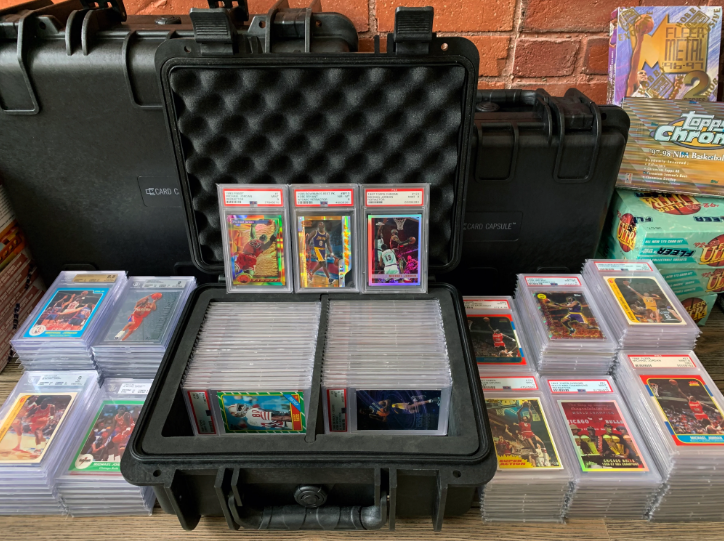
The Smart Way to Unlock Cash From Your Card Collection Without Selling Your Best Inventory
Every serious card seller has experienced this.
You’re holding a stack of valuable slabs. Maybe it’s a graded rookie card, a rare auto, or a sealed hobby box that keeps climbing in value.
On paper, you’re sitting on thousands of dollars.
But in reality?
Your bank account says something very different.
Your money is locked inside your inventory.
That’s exactly where sports card inventory financing comes in.
It’s one of the fastest-growing funding solutions in the hobby because it lets you turn your cards into working capital — without selling them.
Let’s break down exactly how it works, who it’s for, and how to use it the right way.
What Is Sports Card Inventory Financing?
Sports card inventory financing is a type of funding where your card collection is used as collateral for a loan.
Instead of selling your cards, you:
- Use your inventory’s value to secure funding
- Receive cash upfront
- Keep ownership of your collection
- Repay the loan over time
It works similarly to borrowing against real estate or stocks.
Your assets stay yours — but they help you access liquidity.
Why Inventory Financing Is Growing in the Card Industry
The sports card market moves quickly, and cash flow is one of the biggest challenges sellers face.
Inventory financing solves that problem.
You Don’t Have to Sell at the Wrong Time
Card values can fluctuate.
Selling during a dip can cost you thousands.
Financing lets you wait for the right market moment.
It Helps You Buy More Inventory
The biggest profits come from buying collections.
Having access to cash gives you a major advantage.
It Covers Grading Costs
Grading increases value but ties up money.
Financing fills that gap.
It Stabilizes Cash Flow
Slow months happen in every card business.
Inventory financing helps smooth those cycles.
How Sports Card Inventory Financing Works
The process is usually simple and fast.
Here’s how it typically works.
Step 1: Inventory Evaluation
The lender reviews your inventory.
They consider:
- Card condition
- Grading status
- Market demand
- Recent sales data
Graded cards usually qualify for higher funding amounts.
Step 2: Funding Offer
You receive an offer based on a percentage of inventory value.
Most lenders provide between:
40% to 70% of market value
Step 3: Receive Cash
Once approved, you receive funds quickly — often within days.
Step 4: Repayment
You repay the loan over time while keeping ownership of your inventory.
Who Should Use Inventory Financing?
This funding option works best for:
Card Shop Owners
Shops with large inventory can unlock cash without liquidating stock.
High-Volume Resellers
Frequent buyers benefit from fast access to capital.
Collectors With Valuable Assets
Collectors can leverage their collections for liquidity.
Grading-Focused Sellers
Those submitting large grading batches can maintain cash flow.
What Types of Cards Qualify for Financing?
Not all cards qualify equally.
Lenders prefer inventory that is:
- Graded by major companies
- In strong market demand
- Easy to value through recent sales
- Authenticated and documented
High-end slabs typically qualify for the best funding terms.
How Much Can You Borrow?
Funding amounts depend on several factors:
- Inventory value
- Market liquidity
- Business revenue
- Condition and grading
In many cases, sellers can access tens of thousands — or more.
Advantages of Sports Card Inventory Financing
This funding option offers several key benefits.
You Keep Ownership
Your cards remain yours as long as you repay the loan.
Fast Access to Cash
Funding can often be approved within days.
Flexible Growth Opportunities
You can buy more inventory, submit grading orders, or expand operations.
Protect Long-Term Profits
Avoid selling valuable cards prematurely.
Risks to Understand
While powerful, inventory financing requires careful planning.
Market Value Changes
Card prices can fluctuate, affecting collateral value.
Repayment Responsibility
You must maintain consistent payments.
Proper Valuation Matters
Overestimating inventory value can lead to unrealistic expectations.
How to Choose the Right Inventory Financing Provider
Look for lenders who:
- Understand the sports card market
- Use fair market valuations
- Offer flexible repayment terms
- Provide fast approval processes
Working with specialists in the card industry can make a major difference.
FAQ: Sports Card Inventory Financing
What is sports card inventory financing?
It’s a funding option that allows you to borrow money using your sports card inventory as collateral.
Do I have to give up my cards?
No. You keep ownership while repaying the loan.
How fast can I get funding?
Many lenders provide approval and funding within a few days.
Is credit required to qualify?
Not always. Many lenders focus more on inventory value and business revenue.
What’s Next: Turning Your Inventory Into Opportunity
If you’re sitting on valuable sports card inventory, the next step is understanding how to leverage it instead of letting it sit idle.
Many sellers miss growth opportunities simply because their cash is locked inside their collections.
Working with a specialized lead service can help you connect with funding providers who understand sports cards, offer faster approvals, and match you with the right financing options.
The best next step is to speak with a representative who can review your inventory and show you how to unlock working capital while keeping your collection intact.