
When Is the Right Time to Take a Business Loan for Your Card Shop
Summary
A business loan can help your card shop grow faster, handle slow seasons, and invest in inventory. But timing matters. Borrow too early and you risk cash flow stress. Borrow too late and you miss growth opportunities. The right time to take a business loan for your card shop is when revenue is stable, you have a clear purpose for funds, and the loan will directly increase profits.
This guide explains exactly when to borrow, warning signs you’re not ready, and how to prepare so lenders say yes.
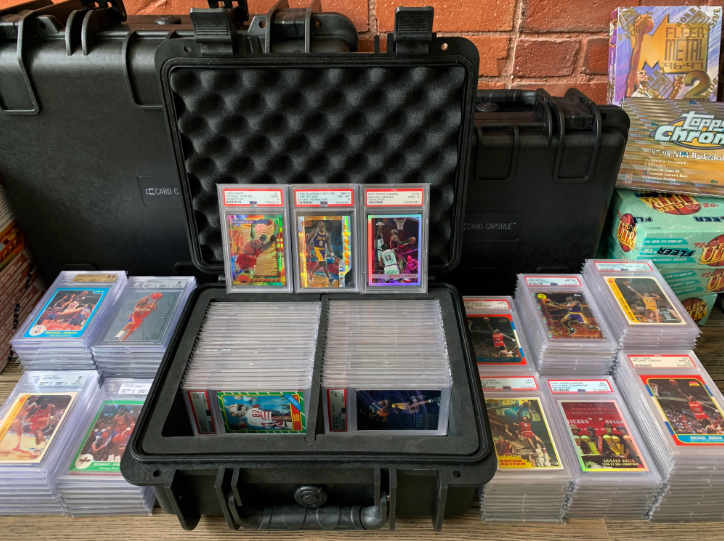
How to Know You’re Ready — and How to Borrow Without Risking Your Shop’s Future
The best time to take a business loan for a card shop is when the money will help you grow — not just survive.
Many shop owners think loans are only for emergencies. That’s not true.
Smart owners borrow when they have momentum and need capital to scale faster.
If your shop is stable but growth feels slow, a loan can be the push that takes you to the next level.
Why Timing Matters More Than the Loan Itself
A loan is just a tool.
Used at the right time, it can:
- Increase inventory during peak demand
- Help open a second location
- Improve marketing reach
- Strengthen cash flow during seasonal dips
Used at the wrong time, it can create stress and debt.
The difference is preparation.
5 Signs It’s the Right Time to Take a Business Loan
1. Your Revenue Is Consistent
Lenders look for predictable income.
If your monthly sales are steady — even if not huge — that’s a strong signal you’re ready.
Consistency matters more than high spikes.
2. You Have a Clear Growth Plan
Never borrow without knowing exactly how the money will be used.
Good reasons include:
- Expanding inventory before busy seasons
- Upgrading POS or technology
- Hiring staff to increase sales capacity
- Opening a second store
A loan should always have a return on investment.
3. You’re Turning Away Opportunities
This is one of the biggest signs.
If you’ve ever thought:
- “I can’t stock enough inventory”
- “I don’t have funds to market properly”
- “I can’t expand because of cash limits”
That means your growth is being restricted by capital.
That’s when borrowing makes sense.
4. Your Cash Flow Is Stable
Even profitable shops can struggle with cash flow.
If your shop can comfortably cover:
- Rent
- Payroll
- Inventory costs
- Existing debts
Then you likely have room to handle loan payments.
5. You Want to Scale — Not Just Survive
Loans should be growth tools, not emergency fixes.
Borrowing to cover losses is risky.
Borrowing to expand profit is smart.
When NOT to Take a Loan Yet
You’re Struggling to Pay Bills
If cash flow is already tight, adding debt will create pressure.
Fix operations first.
You Don’t Know How Funds Will Be Used
“Extra money” is not a strategy.
Lenders want clear plans — and so should you.
Sales Are Unpredictable
If revenue swings wildly each month, wait until it stabilizes.
Consistency builds lender confidence.
How to Prepare Before Applying
Preparation makes approval faster and terms better.
Step 1: Organize Financial Records
Have ready:
- Profit & loss statements
- Bank statements
- Tax returns
- Inventory reports
Step 2: Calculate ROI on the Loan
Ask:
- How will this loan increase revenue?
- How fast will it pay for itself?
If you can’t answer clearly, wait.
Step 3: Strengthen Your Credit Profile
Both business and personal credit matter.
Pay debts on time and reduce balances before applying.
Smart Ways Card Shops Use Business Loans
Experienced shop owners typically use loans for:
Inventory Expansion
Bulk buying increases margins and product availability.
Marketing Growth
Ads and promotions bring new customers.
Store Improvements
Better displays increase sales per customer.
Opening New Locations
Expansion multiplies revenue streams.
How Loans Help Card Shops Grow Faster
Without capital, growth is slow.
With funding, you can:
- Increase inventory during peak demand
- Reach more customers through marketing
- Expand into new markets
- Improve customer experience
A loan doesn’t just provide money — it creates momentum.
FAQ: Business Loan for Card Shop
What is the best time to take a business loan for a card shop?
When revenue is stable, cash flow is positive, and funds will directly increase profits.
How much should a card shop borrow?
Only what you can comfortably repay while maintaining operating cash.
Can new card shops qualify for loans?
Yes, but established shops with steady income get better terms.
Will a loan hurt my business financially?
Not if used for growth that generates more revenue than the loan costs.
What’s Next: Turning Funding Into Growth
Knowing when to take a loan is just step one.
The real growth happens when you combine funding with strong customer demand.
That’s where having consistent, high-intent leads becomes powerful.
Our lead service helps card shop owners connect with customers ready to buy, making it easier to turn funding into real revenue growth.
If you want to see how predictable leads can accelerate your expansion, the next step is simple — connect with a representative to learn more.