
Inventory Turnover Strategies for Sports Card and TCG Resellers
Summary
Strong inventory turnover for sports cards and TCG products is what separates profitable resellers from those constantly stuck with slow-moving stock. In high-volume collectibles businesses, the goal isn’t just buying great inventory — it’s converting that inventory into cash quickly and consistently. This guide breaks down practical, proven turnover strategies that help sports card and TCG resellers sell faster, reduce risk, and scale without tying up capital.
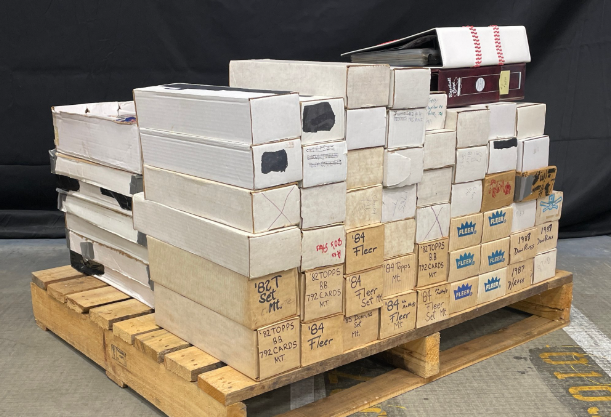
How to sell faster, free up cash flow, and build a predictable resale engine
Here’s a scenario almost every reseller experiences.
You’re making sales. Revenue looks good. Your inventory shelves are full.
But your cash feels tight.
Why?
Because too much money is stuck in inventory that isn’t moving fast enough.
This is the #1 growth killer in sports cards and trading card games.
Not bad buying.
Not poor demand.
Just slow turnover.
The most successful resellers don’t just focus on what to buy — they obsess over how fast they can sell it.
That’s the real game.
What Is Inventory Turnover in a Sports Card Business?
Inventory turnover simply means:
How quickly you turn your inventory into sales and cash.
High turnover:
- Faster sales
- Strong cash flow
- Lower risk
Low turnover:
- Cash locked in inventory
- Slower growth
- Higher market risk
In collectibles, speed matters more than margin.
Because prices change fast.
Why Inventory Turnover Matters So Much in Cards and TCG
Unlike many retail products, trading cards have unique challenges.
1. Market Prices Change Quickly
A player’s performance or meta shift can change values overnight.
2. Demand Cycles Are Unpredictable
Hype spikes don’t last forever.
3. Capital Is Limited
Most resellers operate on tight reinvestment cycles.
If inventory sits too long, growth stops.
That’s why turnover strategy is essential.
Strategy 1: Focus on Proven Demand Categories
The fastest way to improve turnover is buying inventory that already has consistent demand.
High-turnover categories usually include:
- Popular rookie cards
- Star player parallels
- Meta-relevant TCG singles
- Mid-range graded cards
- Staple playable cards
These items have active buyer pools.
Avoid overloading on:
- Ultra-niche players
- Overpriced speculative prospects
- Long-shot grading plays
Turnover starts at the buying stage.
Strategy 2: Price to Sell — Not to Win
One of the biggest turnover killers is emotional pricing.
Many resellers hold inventory waiting for the highest possible price.
But here’s the truth:
Holding for an extra 10% profit can cost you months of lost cash flow.
Successful sellers price based on:
- Market trends
- Sales velocity
- Competitive listings
Fast-selling inventory creates more buying power.
Strategy 3: Track Inventory Aging
If you don’t track how long items sit, turnover problems stay hidden.
Every reseller should monitor:
- Days listed
- Days since purchase
- Price changes over time
A simple rule many pros use:
If inventory hasn’t sold in 30–45 days, take action.
That might include:
- Discounting
- Bundling
- Re-listing with new pricing
Old inventory is silent cash drain.
Strategy 4: Use Bundles to Move Slow Inventory
Bundling is one of the most powerful turnover strategies.
It helps move slower cards without heavy discounts.
Examples:
- Team lots
- Player bundles
- TCG deck-ready packages
- Mixed value packs
Buyers love perceived value.
And bundles turn dead stock into liquid cash.
Strategy 5: Diversify Sales Channels
Selling only on one platform limits exposure and slows turnover.
High-performing resellers sell across multiple channels.
Common combinations include:
- Marketplace listings
- Direct collector groups
- Social selling platforms
- Bulk buyer networks
More channels mean faster sales velocity.
Strategy 6: Batch Your Listing Process
Slow listing workflows slow turnover.
Many resellers lose time by listing items individually.
Batching speeds everything up.
Example workflow:
- Photograph inventory in bulk
- Use templates for listings
- Schedule uploads daily
The faster items get listed, the faster they can sell.
Strategy 7: Build a Repeat Buyer Base
The fastest turnover comes from repeat customers.
Because they:
- Trust your pricing
- Buy regularly
- Respond quickly to new inventory
Ways to build loyalty:
- Offer early access deals
- Maintain buyer lists
- Send consistent inventory updates
A loyal buyer base dramatically increases turnover speed.
Strategy 8: Avoid Overgrading
Grading can boost value — but it slows turnover.
Because:
- Items are out of circulation
- Cash is locked for months
- Market conditions may change
Smart resellers grade selectively.
Only when:
- Profit margin is clear
- Demand is stable
- Turnaround time is acceptable
Sometimes selling raw is the better cash-flow decision.
Common Inventory Turnover Mistakes
Avoid these traps:
- Overpaying for hype inventory
- Holding cards too long
- Ignoring sales data
- Listing too slowly
- Focusing only on high-end items
Most turnover problems start with buying decisions.
FAQ: Inventory Turnover for Sports Cards
What is inventory turnover for sports cards?
Inventory turnover measures how quickly sports cards are sold after being purchased or listed.
Why is inventory turnover important for resellers?
It keeps cash flowing, reduces risk, and allows reinvestment into new inventory.
What is a good inventory turnover rate for card resellers?
Many successful resellers aim to sell most inventory within 30–60 days.
How can I improve inventory turnover quickly?
Focus on high-demand items, price competitively, bundle slow inventory, and expand sales channels.
What’s Next: Turning Faster Sales Into Predictable Growth
Improving inventory turnover isn’t just about selling faster.
It’s about creating consistent demand.
Because the fastest-moving inventory always has ready buyers waiting.
That’s where lead generation becomes powerful.
Our lead service helps sports card and TCG resellers connect with serious collectors actively looking to purchase inventory — whether singles, collections, or bulk lots.
If you want faster turnover, stronger cash flow, and more predictable sales, your next step is simple: connect with a rep to learn how consistent buyer leads can transform your resale business.