
How to Use Business Funding to Scale WhatNot and Live Sales
Summary
Scaling live selling isn’t just about being a great host — it’s about having enough inventory, cash flow, and buying power to keep momentum going. That’s why many top sellers use business funding for live selling to grow faster, buy better inventory, and increase profits without draining their cash reserves. In this guide, you’ll learn exactly how funding works, when to use it, and how it can help you scale WhatNot and live sales the smart way.
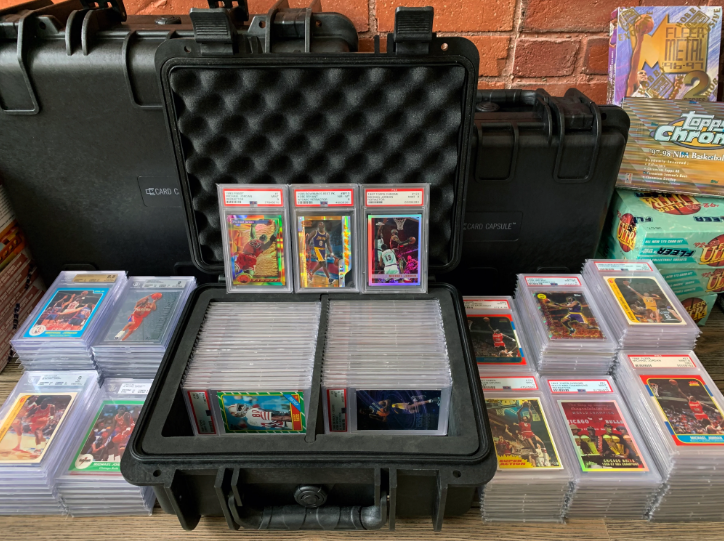
Turn Consistent Shows Into Predictable Growth With Smart Capital
If you’ve ever finished a strong live stream thinking, “I could’ve sold twice as much if I had more inventory,” you’re not alone.
That’s the moment most live sellers hit their first real growth wall.
Not followers.
Not demand.
Not skill.
It’s capital.
And this is exactly why many top sellers now use business funding for live selling to scale faster, stay competitive, and keep inventory flowing without freezing their cash.
Let’s break down what this really means — and how to do it correctly.
What Is Business Funding for Live Selling? (Simple Explanation)
Business funding for live selling is capital used to:
- Buy more inventory upfront
- Increase show frequency
- Upgrade equipment and operations
- Maintain steady cash flow between shows
In simple terms:
It gives you the ability to grow faster than your current cash balance allows.
Instead of waiting weeks to reinvest profits, you can move immediately when opportunities appear.
And in live selling, speed matters more than almost anything else.
Why Most Live Sellers Hit a Growth Plateau
Here’s the reality most sellers don’t talk about.
You can build momentum fast on WhatNot or live platforms — but scaling becomes harder after a certain point.
Usually because of three problems:
1. Inventory Bottlenecks
You can only sell what you have.
And once demand grows, many sellers struggle to keep enough product ready for shows.
This creates missed revenue opportunities every week.
2. Cash Flow Gaps
Live selling has timing gaps:
- You buy inventory today
- You sell it next week
- Payouts arrive later
Meanwhile, new buying opportunities appear constantly.
Without extra capital, you’re stuck waiting.
3. Limited Buying Power
The biggest margins usually come from:
- Bulk purchases
- Collection deals
- Distributor opportunities
- High-value cards at the right moment
But those deals require quick cash.
And most sellers simply don’t have it available.
How Funding Changes the Growth Equation
Smart funding doesn’t just give you money.
It changes how you operate as a seller.
Here’s how.
1. You Can Scale Inventory Faster
More capital means you can:
- Stock deeper inventory for shows
- Offer more variety
- Run longer streams
- Handle higher viewer demand
And this leads directly to higher sales volume.
2. You Stop Missing Opportunities
In live selling, great deals appear randomly.
With funding, you can act immediately instead of waiting for future payouts.
That speed alone can dramatically increase profit margins.
3. You Create Predictable Growth
Without funding:
Growth is slow and inconsistent.
With funding:
You can plan:
- Weekly show schedules
- Inventory purchasing cycles
- Consistent scaling strategies
This transforms your business from reactive to proactive.
The Smart Ways to Use Business Funding for Live Selling
Funding works best when used strategically.
Not emotionally.
Here are the most effective uses.
Inventory Expansion
This is the #1 growth driver.
Funding allows you to:
- Buy larger collections
- Secure bulk inventory
- Maintain consistent stock for shows
More inventory = more selling opportunities.
High-Margin Deal Hunting
Many of the best profits come from:
- Undervalued collections
- Quick flip opportunities
- Market dips
Funding gives you the ability to move fast when these appear.
Show Consistency and Scaling
Top live sellers don’t run shows randomly.
They follow a system:
- Regular schedule
- Planned inventory cycles
- Predictable sales patterns
Funding makes this possible.
Operational Improvements
Scaling live selling often requires:
- Better cameras and lighting
- Storage solutions
- Shipping systems
- Staff assistance
Funding helps upgrade your operation smoothly.
When Funding Makes the Most Sense
Not every seller should seek funding immediately.
It works best when you already have:
- Consistent sales history
- Proven show performance
- Reliable inventory turnover
- Clear growth opportunities
Funding is not a rescue tool.
It’s a growth accelerator.
Funding vs Using Only Cash: The Real Difference
Let’s compare both approaches.
Cash Only Approach:
- Slow inventory growth
- Missed buying opportunities
- Limited show expansion
- Reactive business decisions
Funded Approach:
- Faster scaling
- Stronger buying power
- Consistent inventory flow
- Strategic long-term growth
This is why most serious live sellers eventually leverage funding.
How to Use Funding Responsibly
Smart sellers follow three simple rules:
Borrow With a Clear Plan
Know exactly how funds will generate revenue.
Focus on Fast Inventory Turnover
Use funding for items that sell quickly — not long-term holds.
Track ROI Closely
Every funded purchase should increase overall profit margins.
FAQ: Business Funding for Live Selling
What is business funding for live selling?
It’s capital used to buy inventory, improve operations, and scale live sales faster without relying only on current cash flow.
Can funding help me grow my WhatNot business?
Yes. It increases buying power, helps secure better inventory deals, and allows you to run more consistent shows.
Is funding risky for live sellers?
It can be if used poorly. But when used for fast-turn inventory and clear growth plans, it becomes a powerful scaling tool.
When should I consider funding?
When you have consistent sales and want to grow faster than your current cash flow allows.
What’s Next: Turning Momentum Into Scalable Growth
If you’re already seeing consistent results from live selling, the next step isn’t working harder.
It’s scaling smarter.
The biggest difference between sellers who plateau and those who grow rapidly often comes down to one thing:
Access to capital.
Our funding solutions are designed specifically for live sellers and card businesses who want to:
- Increase buying power
- Maintain steady inventory
- Scale shows consistently
- Grow without cash flow pressure
If you’re serious about taking your live selling business to the next level, the smartest next step is simply exploring your options and speaking with a funding specialist.
Because at a certain stage, growth isn’t about effort anymore.
It’s about leverage.