
How to Scale From a Small Card Booth to a Full Retail Store
Summary
Scaling from a weekend card booth to a full retail store isn’t about hustle alone. It’s about capital timing. This guide breaks down how established card sellers use sports card loans to expand inventory, secure retail space, and grow without liquidating long-term assets.
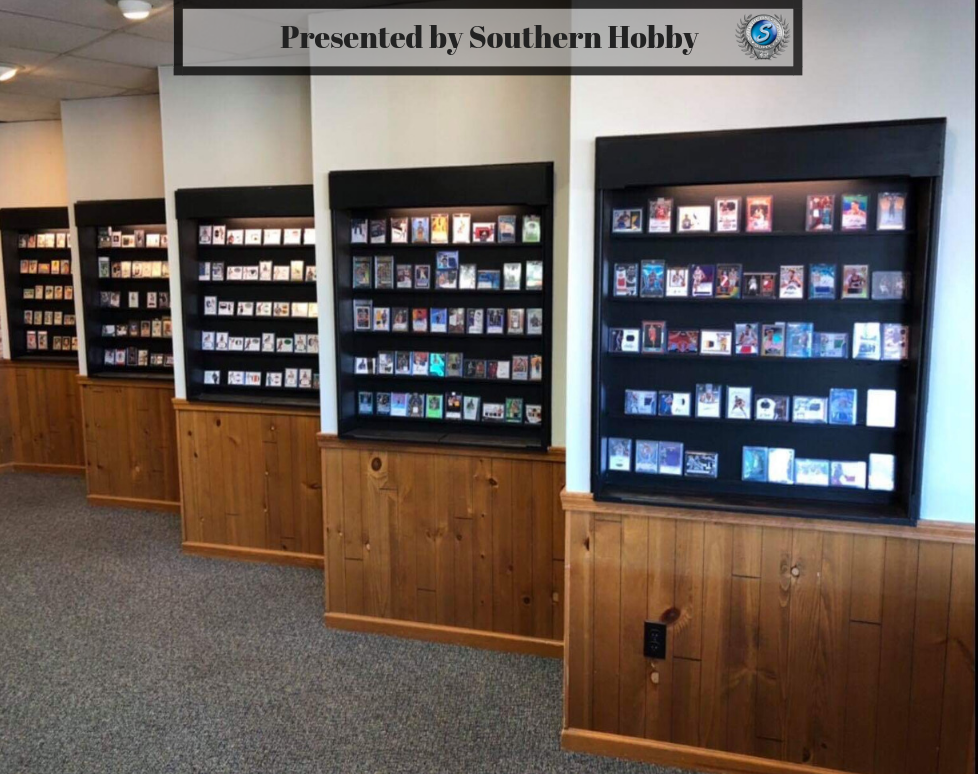
How Established Sellers Use Leverage to Grow Faster Without Selling Their Best Inventory
Most card businesses don’t fail because demand disappears.
They stall because cash gets tight at the exact moment opportunity shows up.
You might be doing strong numbers at shows. Inventory is moving. Customers recognize your name. Yet every growth move feels risky because it requires selling inventory just to fund the next step.
That’s the trap.
Selling assets to grow often slows you down more than it helps. The smarter operators don’t exit positions to scale. They leverage them.
That’s where sports card loans change the game.
Why Sellers Get Stuck at the Booth Level
The booth stage is comfortable.
Low overhead. Flexible hours. You can test inventory and move fast. But it has hard limits.
Common bottlenecks include:
- Limited display space
- Inconsistent foot traffic
- No room for sealed product or high-end showcases
- Missed bulk buy opportunities
- No community hub to anchor repeat buyers
You may already be generating $20K–$50K per month, but growth flattens because every expansion requires cash you don’t want to pull out of inventory.
That’s not a demand problem. That’s a capital efficiency problem.
The Real Cost of Selling Inventory to Grow
Most sellers fund growth by selling cards they didn’t plan to sell yet.
On paper, that seems logical. In reality, it creates long-term drag.
When you liquidate:
- You exit appreciating assets early
- You lose leverage for future funding
- You shrink your inventory depth
- You limit upside on long-term holds
Opportunity cost is invisible, but it’s real.
Selling a grail card to open a store might solve a short-term cash issue while creating a long-term inventory gap you never fully replace.
Why Sports Card Loans Are Built for This Stage
Sports card loans are designed for operators who already have value locked in inventory but don’t want to sell it.
Instead of converting assets into cash permanently, you temporarily unlock capital while retaining ownership.
This is how established sellers scale faster without resetting their collection every time they grow.
What sports card loans allow you to do:
- Access working capital without liquidation
- Fund store build-outs and lease deposits
- Increase purchasing power for bulk deals
- Expand sealed and singles inventory
- Maintain long-term upside on high-end cards
Leverage isn’t reckless when it’s structured correctly. It’s disciplined growth.
Booth vs Retail Store: The Strategic Comparison
Small Booth Model
- Low overhead
- Limited volume
- Inconsistent traffic
- Cash-dependent growth
- No brand moat
Retail Store Model
- Predictable foot traffic
- Community anchor
- Higher inventory turnover
- Better margins on sealed product
- Stronger brand equity
The retail store doesn’t replace your booth success. It multiplies it.
But only if you don’t drain inventory to get there.
How Smart Operators Fund the Transition
The strongest transitions follow a similar pattern.
Step 1: Stabilize Cash Flow
Before scaling, operators ensure:
- Consistent monthly revenue
- Clean bank statements
- Registered business entity
- Documented inventory value
This isn’t about rescue funding. It’s about readiness.
Step 2: Leverage Inventory Strategically
Instead of selling cards:
- Use sports card loans secured against high-value inventory
- Keep cards insured and properly stored
- Borrow conservatively relative to margins
This preserves ownership while freeing capital.
Step 3: Allocate Capital With Precision
Funding typically goes toward:
- Lease deposit and build-out
- Display cases and security
- Initial retail inventory expansion
- Marketing and launch events
Notice what’s missing: unnecessary lifestyle upgrades.
Growth capital stays focused.
Why Leverage Beats Cash-Only Growth
Cash-only growth feels safe, but it’s slow.
Leverage, when used intentionally, accelerates momentum.
Advantages include:
- Faster store openings
- Larger buying power
- Better supplier terms
- More inventory diversity
- Compounding growth cycles
Borrowing isn’t the risk. Misusing it is.
Operators who understand inventory cycles, margins, and timing use leverage as a tool, not a crutch.
Community Is the Real Multiplier
A retail store isn’t just a sales channel.
It’s a hub.
Strong stores create:
- Weekly trade nights
- Break events
- Local loyalty
- Repeat foot traffic
- Brand gravity online and offline
That community flywheel increases inventory velocity and stabilizes revenue. Capital unlocks the store. The store unlocks scale.
Common Mistakes to Avoid When Scaling
Even experienced sellers make these mistakes:
- Overborrowing without clear ROI
- Opening too large too fast
- Ignoring security and insurance
- Mixing personal spending with business capital
- Selling long-term assets prematurely
Structured funding solves most of these—when paired with discipline.
FAQ: Sports Card Loans and Scaling a Card Business
What are sports card loans?
Sports card loans allow sellers to borrow against the value of their collectible inventory without selling it.
Are sports card loans only for struggling businesses?
No. They’re designed for established operators with strong inventory and cash flow who want to accelerate growth.
Can sports card loans be used to open a retail store?
Yes. Many operators use them for lease deposits, build-outs, and inventory expansion.
Do I lose ownership of my cards?
No. Ownership is preserved when loans are structured correctly.
What’s Next
If you’re reading this, you’re not looking for a bailout.
You’re looking for acceleration.
You already know demand is there. You already have valuable inventory. The only thing slowing growth is capital timing.
Exploring sports card loans isn’t a commitment. It’s due diligence.
Vault Netwrk exists for operators who understand leverage, respect risk, and want to scale without sacrificing ownership.
If you’re serious about moving from a booth to a full retail presence, the next step is simple:
Explore structured funding options built for collectors who think long-term.