
How to Open a Sports Card Store Using Business Funding
Summary
Opening a sports card store is more achievable than you might think, especially if you leverage business funding. Whether you’re starting small with a booth at local events or planning a full retail space, the right funding strategy can help you stock inventory, set up shop, and scale your business without risking your personal finances. In this guide, we’ll break down exactly how to use business funding to launch a sports card store and grow it into a profitable venture.
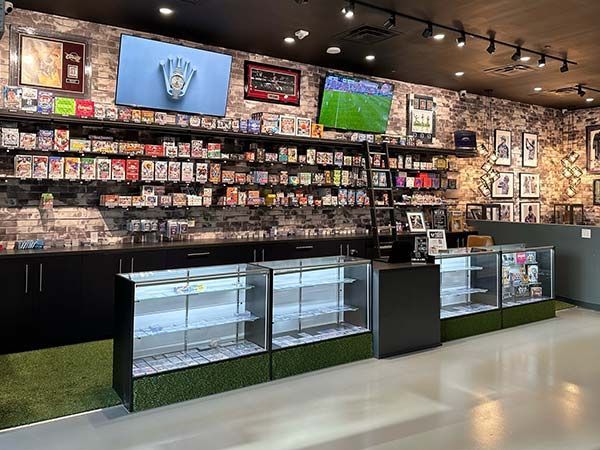
Turn Your Passion for Cards into a Thriving Retail Business Without Draining Your Savings
Why Business Funding is Key to Opening a Sports Card Store
Many aspiring card shop owners hesitate because they think they need a huge pile of cash to start. That’s not true. With the right funding, you can:
- Stock more inventory: Get the cards collectors want without waiting months to save cash.
- Set up a professional store: Cover rent, fixtures, and displays without cutting corners.
- Run operations smoothly: Pay employees, marketing, and day-to-day costs while your business grows.
Using funding strategically means you’re not just borrowing money—you’re investing in your store’s growth from day one.
Step 1: Understand the Types of Business Funding
Before you open your sports card store, you need to know your funding options:
- Small Business Loans – Traditional bank loans or online lenders offer capital with structured repayment plans.
- Lines of Credit – Flexible borrowing that lets you draw money as needed for inventory or operational costs.
- Equipment Financing – Covers store fixtures, display cases, and even technology.
- Collectible-Backed Lending – Use your existing card collection as collateral to fund inventory expansion.
Each type of funding has pros and cons. The key is to choose what aligns with your store’s short- and long-term goals.
Step 2: Plan Your Sports Card Store
A solid plan makes funding easier to secure and increases your chance of success:
- Market Research: Know what collectors in your area want—rookie cards, vintage cards, Pokémon, Magic: The Gathering, or other collectibles.
- Location: Decide if you’ll start with a booth, pop-up, or full retail space. Foot traffic matters, but so does rent affordability.
- Inventory Planning: Use funding to stock high-demand cards and variety packs that attract different collectors.
- Budget for Operations: Include rent, utilities, staff, and marketing. Business funding can cover these costs in the early months.
A clear plan shows lenders and investors you know the business, which makes funding approval faster and easier.
Step 3: Use Business Funding Wisely
Getting money is one thing. Using it smartly is another. Here’s how to maximize your funding:
- Prioritize inventory: Cards are your product—spend funding here first.
- Invest in marketing: Social media ads, local events, and community engagement help build your brand.
- Cover operational costs: Ensure you can run your store without needing personal funds to bail you out.
- Plan for growth: Keep some funding for future expansion, like a bigger location or new product lines.
By treating funding as a growth tool, you minimize risk and accelerate your path to profit.
Step 4: Launch Your Sports Card Store
Once funding is secured and your plan is ready:
- Set Up Your Space: Use funding to buy display cases, signage, and inventory.
- Create a Community: Host local events, card trading days, or tournaments. Collectors love a welcoming space.
- Market Aggressively: Social media, email lists, and local ads get your name out fast.
- Track Sales & Inventory: Use software to monitor which cards sell quickly and adjust purchases.
Funding helps you launch with confidence, but your strategy and community engagement keep customers coming back.
Step 5: Scale Your Business
Once your store is running smoothly:
- Expand your inventory: Add rare cards, limited editions, or complementary collectibles.
- Open additional locations or online store: Use your successful store as proof when seeking additional funding.
- Offer trade-in programs: Keep collectors coming back, and increase turnover without spending more upfront.
Business funding is not just a launch tool—it’s a lever for sustainable growth.
FAQ: How to Open a Sports Card Store Using Business Funding
Q: Can I open a card store with little personal savings?
A: Yes. With the right business funding, you can cover inventory, rent, and operations without draining personal finances.
Q: What’s the best funding option for a small card booth?
A: Lines of credit or collectible-backed loans are flexible and ideal for starting small.
Q: How much funding do I need to open a retail card shop?
A: Costs vary by location, size, and inventory goals, but planning for at least $20,000–$50,000 is typical for a small to mid-sized store.
Q: Will funding cover marketing costs?
A: Absolutely. Allocating a portion of your funding to marketing helps attract collectors and grow your business faster.
What’s Next
If you’re serious about turning your card hobby into a thriving business, business funding is the key first step. Our lead service connects you with lenders and funding options that match your store’s goals. Contact a rep today to learn more and start building your sports card empire.