
How Sports Card Traders Use Leverage to Control More Inventory
Summary
In the competitive world of sports cards, having the right inventory can make or break a business. Many traders struggle to keep up with demand because high-value cards and bulk sets cost thousands upfront. That’s where leverage comes in.
How sports card traders use leverage to control more inventory is simple: they use funding or credit to purchase more cards than cash alone would allow. This strategy can accelerate growth, increase sales, and build market dominance all without liquidating prized collections.
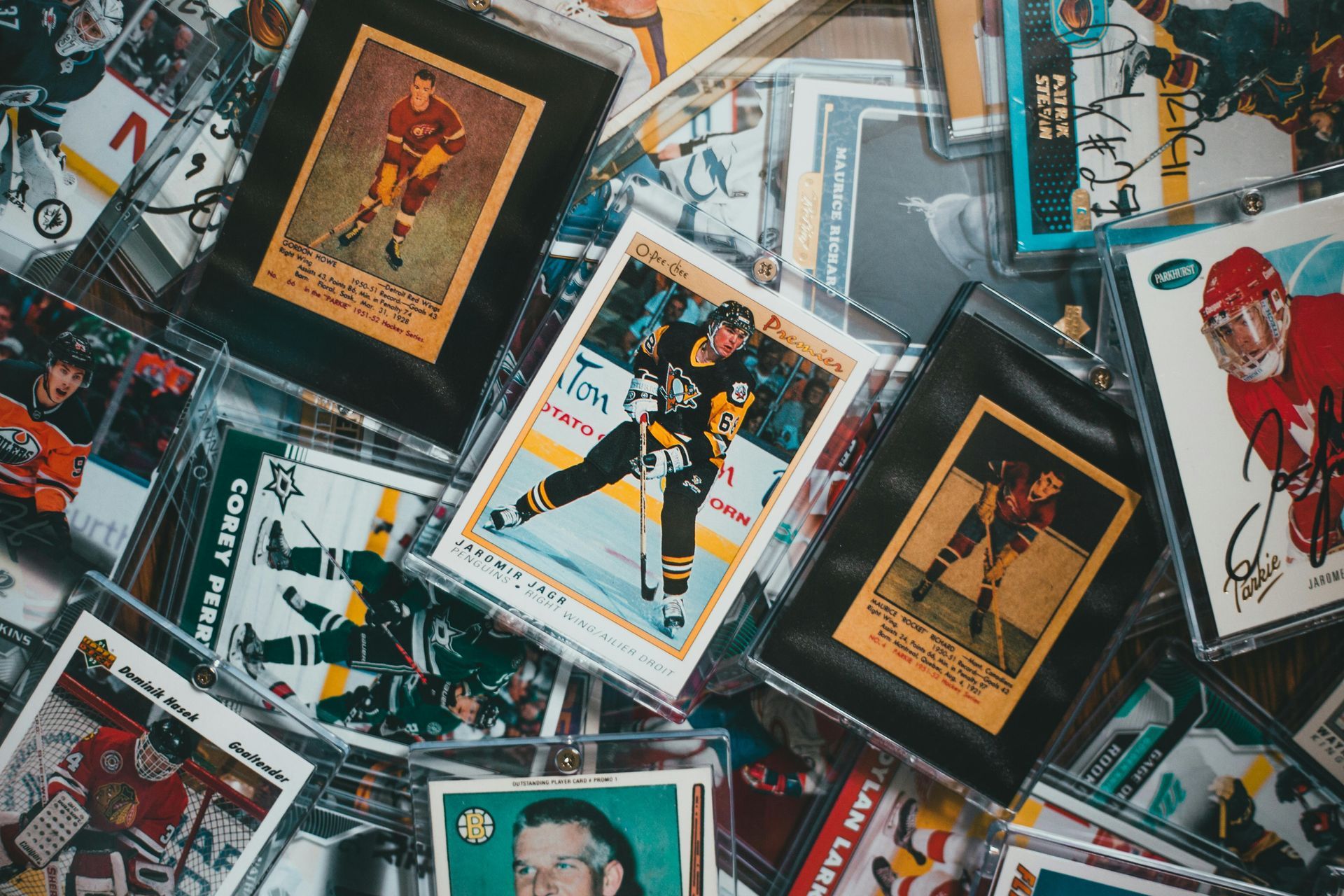
Discover how leveraging funding lets traders expand inventory, increase sales, and grow their sports card business without selling high-value cards.
Traders face several challenges when buying and selling sports cards:
- High upfront costs: Rare cards and booster box sets can run into thousands of dollars.
- Inventory turnover pressure: Popular cards sell fast, but you need enough stock to meet demand.
- Market competition: Other traders may scoop up valuable cards quickly.
Leverage allows traders to control more inventory than their cash flow would normally permit. It’s a way to maximize buying power while maintaining flexibility.
How Leverage Works in Sports Card Trading
1. Using Business Loans or Lines of Credit
Many traders rely on business loans or lines of credit to finance bulk inventory purchases:
- Borrow funds without selling existing high-value cards.
- Purchase trending sets or rare cards before prices spike.
- Pay off the loan as sales generate revenue.
Example: A trader borrows $20K to buy a mix of Pokémon and sports cards. With careful planning, the inventory sells within weeks, generating enough profit to repay the loan and reinvest.
2. Leveraging Partnerships or Investor Funds
Some traders work with investors who provide capital in exchange for a percentage of profits:
- Gain access to large sums without risking personal cash.
- Share profits but maintain business growth momentum.
- Build credibility with investors by showing a clear plan.
This approach allows traders to scale quickly while managing risk.
3. Using Inventory as Collateral
Traders can leverage their existing inventory to obtain additional funding:
- High-value or graded cards act as collateral for short-term loans.
- Collateralized loans often come with lower interest rates.
- Allows traders to keep prized cards while acquiring more stock.
Collateral-based leverage works best for experienced traders who can value their cards accurately and predict market demand.
4. Benefits of Leveraging Inventory
Using leverage wisely offers multiple advantages:
- More buying power: Access higher quantities and rarer cards.
- Faster growth: Expand inventory without waiting to save cash.
- Market positioning: Acquire sought-after cards before competitors.
- Profit potential: Increased inventory can translate to higher revenue.
Responsible Leverage Practices
Leverage is powerful but comes with risk. To use it responsibly:
- Plan your purchases: Only borrow what can reasonably be sold within a set timeframe.
- Track market trends: Invest in cards that have strong demand and predictable value.
- Understand repayment obligations: Ensure sales cover loan repayments to avoid financial strain.
- Diversify inventory: Avoid over-investing in a single card or set.
- Maintain transparency: If using investors, clearly communicate risks and profit expectations.
FAQ: How Sports Card Traders Use Leverage to Control More Inventory
Q1: What does leverage mean in sports card trading?
A: Leverage refers to using borrowed funds, credit, or investor capital to purchase more inventory than you could with cash alone.
Q2: Is leverage risky?
A: Yes, but with careful planning, inventory research, and proper repayment strategies, risk can be managed.
Q3: Can new traders use leverage effectively?
A: It’s possible, but beginners should start small, understand card values, and track market trends closely.
Q4: What types of leverage are most common?
A: Business loans, lines of credit, investor partnerships, and using inventory as collateral are the most common methods.
Next Steps
If you’re ready to grow your sports card business, leveraging funding can help you control more inventory and increase profits. Our lead service connects traders with lenders and financing options tailored to collectible businesses.
Contact a rep today to explore funding opportunities and take your sports card trading business to the next level.