The Economics of Buying Large Sports Card Collections
Summary
Buying sports card collections has become one of the most important strategies in the trading card industry. Instead of purchasing individual cards one at a time, many serious collectors and investors buy entire collections at once.
Why? Because buying sports card collections in bulk can create opportunities for profit, inventory growth, and access to rare cards that rarely appear on the open market.
But successful buyers don’t rely on luck. They understand the economics behind large sports card deals including valuation, risk management, grading potential, and resale strategy.
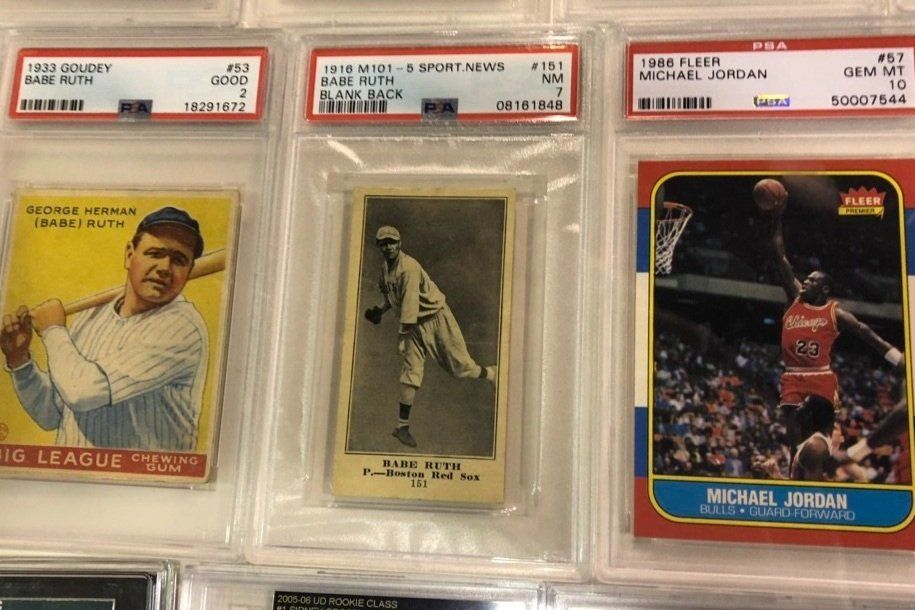
How Serious Sports Card Buyers Evaluate Large Collections for Profit
Many experienced collectors prefer buying sports card collections rather than single cards.
The reason is simple: buying in bulk often allows buyers to acquire cards at below retail market value.
When someone sells a full collection, they are usually looking for convenience and speed rather than maximizing individual card prices.
This creates an opportunity for buyers who understand the market.
Large collections may contain:
- Rare rookie cards
- Vintage cards
- Graded cards
- Hidden gems overlooked by the seller
- Cards with strong grading potential
For investors and dealers, this is where the real opportunity begins.
How Buyers Evaluate a Sports Card Collection
Before purchasing a collection, experienced buyers analyze several key factors.
Understanding these factors helps determine whether a deal makes financial sense.
Star Players and Rookie Cards
One of the first things buyers look for in sports card collections is star players.
Cards featuring superstar athletes tend to hold the most consistent demand.
Buyers often search for:
- Rookie cards of legendary players
- Hall of Fame athletes
- Current superstars
- Young players with rising potential
Even within large collections, a small number of key cards can represent a large portion of the value.
Vintage Cards and Older Sets
Older cards are often the backbone of valuable collections.
Vintage sports cards from earlier decades are usually harder to find in good condition, which increases their appeal.
Collectors frequently look for cards from:
- Pre-1980 sets
- Classic Topps baseball releases
- Early basketball and football sets
Age alone doesn’t guarantee value, but older cards often carry stronger collector demand.
Condition and Grading Potential
Condition is one of the most important economic factors in card collecting.
Two identical cards can have drastically different values depending on condition.
When evaluating a collection, buyers carefully inspect:
- Corners
- Edges
- Centering
- Surface quality
Cards that appear near mint or better may have grading potential.
Sending a card to grading companies like PSA or BGS can dramatically increase its value if it receives a high grade.
For experienced buyers, identifying grading candidates is a major part of the strategy.
Hidden Value in Bulk Cards
Large sports card collections often include thousands of cards.
While many may have modest value, hidden gems can appear unexpectedly.
Examples include:
- Short printed cards
- Rare inserts
- Serial-numbered cards
- Early rookie cards
Buyers who know what to look for often discover valuable cards that weren’t recognized by the original owner.
This is one of the reasons buying collections can be so profitable.
Understanding the Economics of Bulk Purchases
Buying sports card collections is not just about finding good cards.
It’s also about understanding the economics behind the purchase.
Successful buyers think about several financial factors before making a deal.
Average Value per Card
When evaluating large collections, buyers often calculate the average value per card.
For example, a collection with 5,000 cards purchased for $5,000 averages $1 per card.
However, the buyer may expect some cards to sell for far more than that amount.
This approach helps determine whether the purchase price makes sense.
Grading Costs and Potential Returns
Grading cards can increase value, but it also adds cost.
Professional grading typically includes:
- Submission fees
- Shipping
- Insurance
- Processing time
Buyers must estimate whether grading certain cards will produce enough value to justify the cost.
Smart collectors focus on cards that have strong grading upside.
Time and Labor
Sorting and researching large sports card collections takes time.
Some collections contain thousands of cards that need to be organized, priced, and listed for sale.
Buyers must consider:
- Sorting time
- Research time
- Listing and selling effort
For serious dealers, efficiency becomes part of the business model.
Market Demand
Even valuable cards must have buyers.
Experienced investors evaluate the current demand for specific players and card sets.
Cards of iconic players, legendary teams, and popular sports tend to move faster.
This demand helps buyers convert inventory into profit.
Why Large Collections Often Stay Off Public Markets
One interesting part of the sports card industry is that many large collections never reach public marketplaces.
Instead, they are sold privately to dealers or collectors.
There are several reasons for this.
Many sellers want:
- Quick transactions
- One buyer for the entire collection
- Less effort listing individual cards
For buyers, these private deals often create opportunities that aren’t visible to the general market.
Relationships and industry connections play a major role here.
Risks Buyers Must Consider
While buying sports card collections can be profitable, it’s not risk-free.
Market prices change over time, and not every collection contains valuable cards.
Some common risks include:
- Overpaying for bulk cards
- Poor card condition
- Slower-than-expected sales
- Market demand shifts
Successful buyers reduce risk by researching the market and staying disciplined with purchase prices.
They treat each purchase like an investment decision.
Why the Strategy Still Works Today
Despite the risks, buying sports card collections remains one of the most effective strategies in the hobby.
The reason is simple.
Many collectors spend years building their collections. When they decide to sell, they often prioritize convenience over maximizing every card’s value.
This creates opportunities for knowledgeable buyers who understand the economics of trading cards.
As the collectibles market continues to grow, large collections will remain an important source of inventory for dealers and investors.
FAQ: Buying Sports Card Collections
What are sports card collections?
Sports card collections are groups of cards accumulated by collectors over time. They may include thousands of cards across multiple sports, players, and sets.
Why do investors buy sports card collections?
Many investors buy sports card collections to acquire large amounts of inventory at once, often at lower prices than individual card purchases.
How do buyers determine the value of a sports card collection?
Buyers evaluate star players, rookie cards, vintage sets, card condition, and potential grading value to estimate the overall worth of the collection.
Is buying sports card collections profitable?
It can be profitable when buyers understand the market, identify valuable cards, and purchase collections at the right price.
Why do some card businesses use funding?
Some resellers use working capital or inventory financing to increase their buying power, purchase large collections, or manage cash flow while maintaining their inventory.
What’s Next
The sports card market continues to grow, and large collections remain one of the most important sources of inventory for collectors and investors.
Understanding how to evaluate collections, spot hidden value, and manage inventory can make a huge difference when navigating the market.
As the trading card industry evolves, having access to the right opportunities and connections becomes increasingly valuable.
If you are exploring ways to scale your card business or unlock capital tied up in your inventory, the next step is simply learning what options may be available.
Connecting with a representative can help you understand how funding works in the collectibles space and whether it could support your next stage of growth.