The Best Sports Card Business Models to Scale in 2026
Summary
Not all sports card business models scale at the same rate. In 2026, the businesses growing the fastest are often the ones combining strong inventory turnover with strategic access to capital. Whether you're running a card shop, selling on Whatnot, operating breaks, managing an online store, or buying collections, understanding where growth opportunities exist and how sports card business funding can accelerate them can make the difference between steady growth and significant expansion.
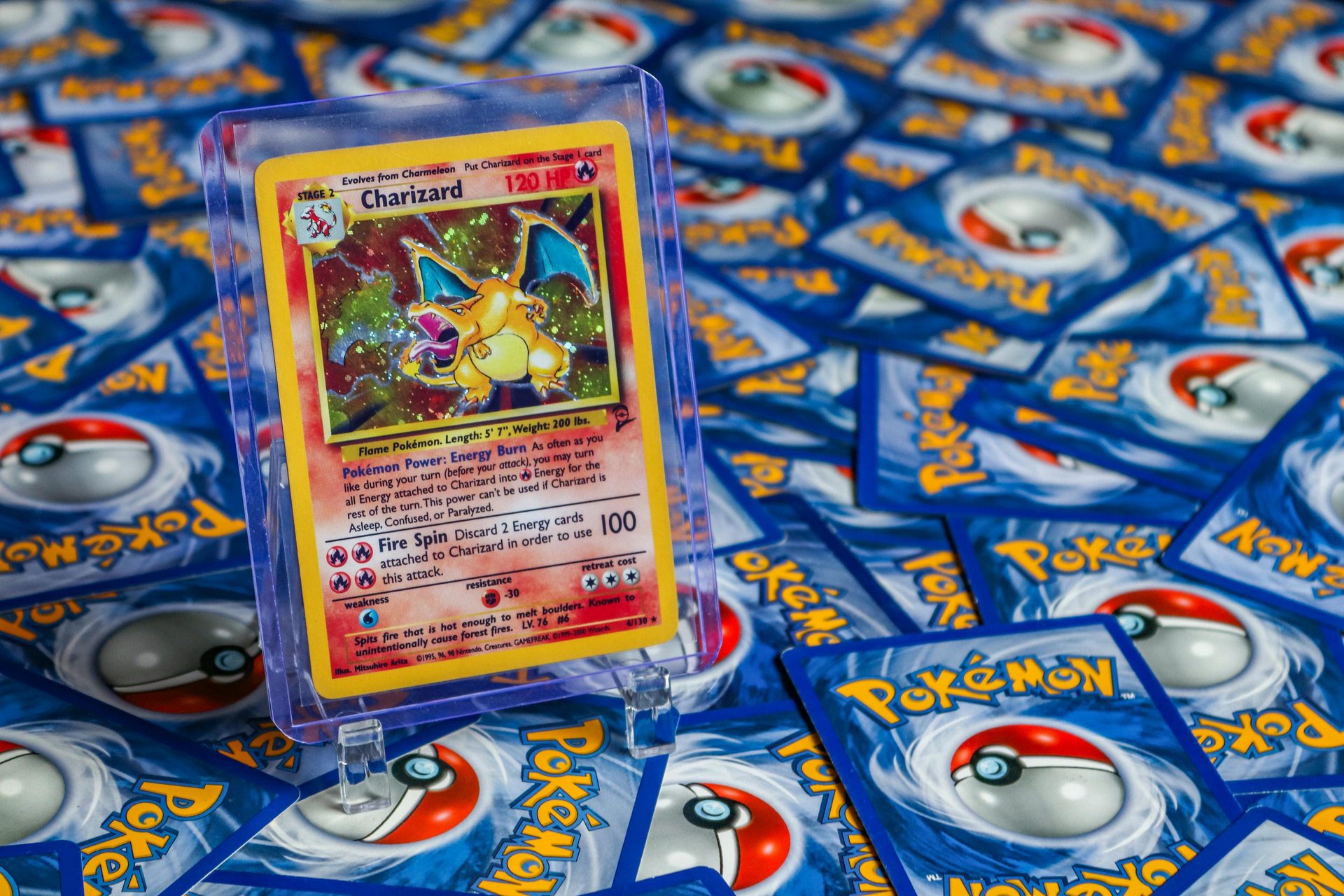
Compare the top sports card business models for 2026 and learn how sports card business funding can accelerate inventory growth and scaling.
One of the most limiting beliefs in the hobby is the idea that growth should only happen when cash becomes available.
That mindset works for collectors.
It rarely works for businesses.
Many established operators eventually reach a point where growth slows. Revenue remains healthy. Customers remain active. Inventory continues moving.
Yet expansion feels harder.
Not because demand disappears.
Because capital becomes the bottleneck.
Watching competitors secure larger collections, increase inventory levels, or dominate live-selling platforms can be frustrating when you know the opportunities exist but available cash is already committed elsewhere.
This is a common stage for successful operators.
And it's often where the conversation shifts toward sports card business funding.
Not as a rescue strategy.
As a growth strategy.
The reality is simple: the businesses scaling fastest in 2026 are often the ones that understand how to combine inventory expertise with capital efficiency.
Let's compare the leading sports card business models and examine where funding can create a competitive advantage.
What Makes a Sports Card Business Scalable?
Before comparing models, it's important to understand what creates scalability.
Generally, scalable sports card businesses have:
- Strong inventory turnover
- Repeat customer activity
- Efficient acquisition channels
- Predictable sales volume
- Access to growth capital
The final point is frequently overlooked.
Many operators focus exclusively on sourcing inventory while ignoring the role capital plays in accelerating growth.
The ability to move quickly often creates advantages that compound over time.
Card Shops: High Trust, Slower Scaling
Traditional card shops remain a cornerstone of the hobby.
They provide:
- Community engagement
- Local customer loyalty
- Consistent foot traffic
- Trade opportunities
- Brand credibility
Strengths
Card shops often build deep customer relationships and create recurring business from local collectors.
They can become trusted destinations within their markets.
Challenges
Scaling can be slower because physical locations require:
- Rent
- Staffing
- Inventory depth
- Security
- Operating expenses
Growth often depends on increasing inventory selection and purchasing larger collections.
This is where working capital for card shops can help support expansion without forcing owners to liquidate valuable inventory positions.
Online Sports Card Stores: Scalable and Efficient
Online stores continue gaining momentum in 2026.
Many successful operators now generate substantial revenue through:
- Shopify stores
- eBay
- Fanatics Collect
- Direct websites
- Marketplace integrations
Strengths
Online businesses benefit from:
- Lower overhead
- National reach
- Automated systems
- Flexible inventory management
Challenges
Competition is intense.
Success often depends on maintaining strong inventory availability and constantly replenishing products.
Businesses that can acquire inventory faster often gain a significant advantage.
This is one reason many operators explore inventory financing for sports card businesses as a way to maintain growth momentum.
Whatnot Sellers: The Fastest-Growing Model
Few business models have grown faster than live selling.
Whatnot has transformed how inventory moves through the hobby.
Strengths
Whatnot sellers benefit from:
- Real-time customer engagement
- Rapid inventory turnover
- High transaction volume
- Repeat buyer communities
- Immediate feedback loops
The most successful sellers often move inventory far faster than traditional retail operations.
Challenges
The biggest challenge is maintaining enough inventory to support stream schedules.
As audience sizes grow, inventory requirements grow with them.
Many sellers reach a stage where access to capital becomes more important than customer acquisition.
Funding can help support:
- Larger collection purchases
- Increased stream frequency
- Expanded inventory categories
- Higher-volume sales events
For many operators, this model currently offers one of the strongest growth opportunities in the industry.
Breakers: High Revenue Potential, Capital Intensive
Breaking remains one of the most unique business models in sports cards.
Strengths
Breakers can generate significant revenue through:
- Case breaks
- Team breaks
- Randomized formats
- Community engagement
The model creates recurring participation and strong customer loyalty.
Challenges
Breaking requires substantial inventory commitments.
Sealed product costs continue increasing.
Successful breakers often need access to inventory before revenue is realized.
This creates a natural need for strong capital management.
Many breakers use structured funding to secure inventory allocations and maintain consistency during product release cycles.
The ability to acquire inventory before competitors can significantly impact long-term growth.
Buyout Businesses: Potentially the Highest Ceiling
Collection buyers and buyout operators often operate behind the scenes.
Yet many generate substantial revenue.
Strengths
Buyout businesses focus on:
- Purchasing collections
- Arbitrage opportunities
- Bulk acquisitions
- Inventory redistribution
Margins can be excellent when acquisitions are executed properly.
Challenges
This model is highly dependent on liquidity.
The best collection opportunities often require immediate decisions.
Without available capital, opportunities disappear quickly.
This is where funding for sports card resellers can create a significant advantage.
Access to capital can allow operators to move quickly when valuable collections become available.
Speed frequently determines who wins the deal.
Which Business Model Scales Best in 2026?
There is no universal answer.
Each model has advantages.
However, from a scalability perspective, the strongest opportunities often combine:
- High inventory turnover
- Large customer reach
- Efficient operations
- Access to capital
Currently, many operators would place the ranking as:
- Whatnot sellers
- Buyout businesses
- Online stores
- Breakers
- Traditional card shops
That ranking is not based on profitability alone.
It reflects scalability potential.
The common factor across all five models is capital.
Growth eventually becomes constrained when opportunities exceed available cash.
Why Smart Operators Build Funding Relationships Early
One mistake many businesses make is waiting until capital becomes urgent.
Experienced operators often build lender relationships before they absolutely need them.
They understand that funding relationships work similarly to business relationships.
Trust develops over time.
Many successful businesses begin with smaller approvals.
They:
- Borrow responsibly
- Acquire inventory
- Generate returns
- Repay on time
That performance history can help establish credibility.
Over time, operators may gain access to:
- Larger approvals
- Better terms
- Faster funding decisions
- Increased purchasing power
- Potential revolving credit options
The businesses that scale most effectively often understand this process long before capital becomes a necessity.
Capital Efficiency Matters More Than Ever
The biggest difference between hobbyists and operators is often how they think about capital.
Hobbyists focus on cash balances.
Operators focus on capital efficiency.
The question isn't simply:
"Can I afford this?"
The better question is:
"How efficiently can I deploy capital to create growth?"
Used responsibly, leverage can help businesses:
- Increase transaction velocity
- Expand inventory
- Capture opportunities
- Preserve long-term assets
- Accelerate growth
This is not about taking unnecessary risks.
It's about making calculated decisions based on margins, timing, and opportunity cost.
FAQ About Sports Card Loans
What are sports card loans?
Sports card loans are funding solutions designed for sports card businesses, collectors, resellers, breakers, and dealers seeking capital for inventory purchases, expansion, or business growth.
Can sports card loans help fund inventory purchases?
Yes. Many operators use sports card loans and inventory financing to acquire collections, purchase inventory, and support growth initiatives.
Are sports card loans only for struggling businesses?
No. Many successful businesses use funding strategically to increase purchasing power and accelerate growth opportunities.
Can building a funding history help future approvals?
Often, yes. Consistent repayment and responsible capital management can help establish credibility with lenders over time.
Does prequalifying affect credit?
Many funding providers offer prequalification processes that do not require a hard credit inquiry during the initial review stage.
Suggested Internal Linking Opportunities
- How to Get a Business Loan for a Sports Card Business
- How Whatnot Sellers Use Capital to Grow Faster Than Traditional Card Shops
- How Sports Card Store Owners Can Compete Against Larger Dealers
- Why Access to Capital Is Critical in the Sports Cards and TCG Market
- The Real Difference Between Sports Card Businesses That Scale and Those That Stay Small
What's Next
If you're evaluating which business model offers the greatest growth potential in 2026, you're already thinking like an operator.
The next question is whether your current access to capital supports the opportunities in front of you.
Many established businesses reach a point where demand is no longer the limiting factor. Inventory opportunities exist. Customers are ready to buy. The challenge is deploying capital quickly enough to keep growth moving.
Funding is not a shortcut.
It's a tool.
When used responsibly, it can help increase inventory velocity, strengthen purchasing power, and create access to opportunities that may otherwise be missed.
Exploring funding options is simply part of running a growth-focused business.
If you're serious about scaling, completing a funding inquiry can help determine what capital options may be available without a hard credit pull during the initial review process. It's due diligence for operators who understand that growth often starts with access.